|

|
|
|

|
|
|

|
|

|

|
|
|
|
|
|
|
|
|
|
|
|
|
|
|
|
|
|

Fatoş İrwen
Ru Bi Ru
15.09 - 21.11.2026
Zilberman | Istanbul
Zilberman Istanbul is pleased to announce Fatoş İrwen's solo exhibition entitled Rû Bi Rû .
Rû Bi Rû examines Fatoş İrwen's practice, shaped around the individual's struggle for freedom against representations of power, state policies, traditions, and belief systems, through the lens of confrontation.
The confrontation proposed by Rû Bi Rû goes beyond merely remembering; it requires not only confronting but also standing against and exposing oneself to the gaze of a denied geography. Fatoş İrwen's relationship with realities that have been suppressed, rendered invisible, left unrecorded, and passed down orally to the present day, forms the basis of the confrontation in the exhibition, inviting the viewer into a space she constructs in her own language.
Irwen does not reduce the narratives she has heard since childhood to mere testimonial images or documents; she creates new signs by moving from the forms that experiences, transmissions, and the things carried from the past to the present take in her imagination. Thus, stories that are left outside of official narratives, censored, or silenced, appear not as evidence confirming the past, but as images that continue to exist within the present and confront the viewer with their own perspective.
Extending towards the geography where the artist was born and raised, Rû Bi Rû positions the viewer within a boundless land where different times, bodies, and ways of life intertwine. Irwen's relationship with objects points to a form of resistance, transforming them from passive remnants of the past. A yearning for justice stretching from earth to sky; a lock of hair torn from the body, connecting reality with imagination and resisting forms of domination. A stream bed surrounded by dried thorns, concealing the traces of bodies and violence; a city silhouette interwoven with plants that flourish despite the past, and beams of light filtering through—these elements come together in the exhibition's geography.
In the face of the violence of genocidal policies that transform and restrict a geography, Irwen reminds us that land and water continue to function in their own time, drawing a line within this continuity that both conceals and reveals with the stream positioned in the center of the exhibition. The water, following this line, displaces the traces of violence, while also carrying the possibility of revealing what is hidden beneath the eroded soil.
Rû Bi Rû also extends to the space Irwen opened up through the concept of apocalypse in her solo exhibition titled Sûr , held at Zilberman Berlin in 2023. The apocalypse, which begins with the call of Israfil in Sûr, gives way in Rû Bi Rû to a gathering of all living beings outside of different times and hierarchies. In this plane where life does not end after destruction, past and present, dead and living, human and non-human exist simultaneously. Thus, the apocalypse ceases to be an end and transforms into a space where all these beings can confront each other.

Zilberman Istanbul is pleased to announce Rû Bi Rû , a solo exhibition by Fatoş İrwen.
Meaning “face to face” or “confronting one another” in Kurdish, Rû Bi Rû approaches Fatoş İrwen's long-standing engagement with the individual's struggle for freedom in the face of representations of power, state policies, tradition, and systems of belief through the notion of confrontation.
The confrontation proposed by Rû Bi Rû is not limited to remembering the past; it requires not only facing what has been denied, but also standing before it and being exposed to its gaze. Fatoş İrwen's engagement with realities that have been suppressed and rendered invisible, left unrecorded, and carried into the present through oral transmission forms the ground for this confrontation, while inviting the viewer into a space she constructs in her own language.
Rather than reducing the stories she has listened to since childhood to images of testimony, İrwen creates new traces from the forms of lived experience, transmitted narratives, and histories carried into the present. Stories excluded from official narratives, censored, or silenced thus emerge not as evidence meant to verify the past, but as images that continue to exist in the present, confronting the viewer with their own position as witness.
Extending into the geography where the artist was born and raised, Rû Bi Rû places the viewer within a land without borders, where different times, bodies, and forms of life intertwine with one another. Irwen's relationship with objects points to a form of resistance, releasing them from the status of passive fragments left behind by the past. A desire for justice reaching from earth to sky; a strand of hair severed from the body, connecting reality with the imagined while resisting forms of domination. A dried riverbed surrounded by thorns, concealing traces of bodies and violence; a city silhouette overgrown with plants that continue to flourish despite all that has come before, pierced by shafts of light: these elements converge within the exhibition's geography.
Against the violence of genocidal policies that seek to transform and delimit a geography, İrwen reminds us that earth and water continue to move according to their own temporalities. İrwen traces a line along the riverbed running through the center of the exhibition space, one that both conceals and reveals. Following this course, water carries and displaces traces of violence, while holding within it the possibility of exposing what lies buried beneath the earth it erodes.
This trajectory also reaches back to the idea of apocalypse in Sûr , her 2023 solo exhibition at Zilberman Berlin. The apocalypse set in motion by Israfil's call in Sûr gives way in Rû Bi Rû to the gathering of all living beings beyond distinct temporalities and hierarchies on the Day of Judgment. In this realm, where life persists in the aftermath of destruction, past and present, the dead and the living, the human and the non-human exist simultaneously. The Day of Judgment thus ceases to signify an end, becoming instead a space in which all these beings can come face to face.

Photo credit:
A view from Fatoş İrwen's solo exhibition , Rû Bi Rû .
Zilberman Istanbul, 2026.
Photo: Kayhan Kaygusuz.
Photo credit:
Installation view from the solo exhibition Rû Bi Rû by Fatoş İrwen.
Zilberman Istanbul, 2026.
Photo by Kayhan Kaygusuz.

We are proud to announce our latest Fine Art Magazine Editions;
Fine Art Magazine Editions
Jamie Forbes Photographs: The Galactic Dust SunSets Series & Animals
“The atoms of our bodies are traceable to stars that manufactured them in their cores and exploded these enriched ingredients across our galaxy, billions of years ago. For this reason, we are biologically connected to every other living thing in the world. We are chemically connected to all molecules on Earth. And we are atomically connected to all atoms in the universe. We are not figuratively, but literally stardust.” ― Neil deGrasse Tyson
I captured the intrinsic energies in each landscape or animal pictured seeking to initiate a dialogue between the viewer about beauty in the environment and stewardship: “we live with others” all are participants in sharing and shaping our environment. ©all rights reserved ~Galactic Dust Sunset/Animals/Jamie Forbes/SunStorm Art Pub. Co Inc. 2026
Available through SunStorm Fine Art: edition size 15/ 2AP/ 2HC
$600 Image size 13”x19”
$300image size 8.5x 11”
Printed with archival ink on 300-320-gram paper fine art papers.
https://sunstormfineartmagazine.com/jamie-forbes-photography/
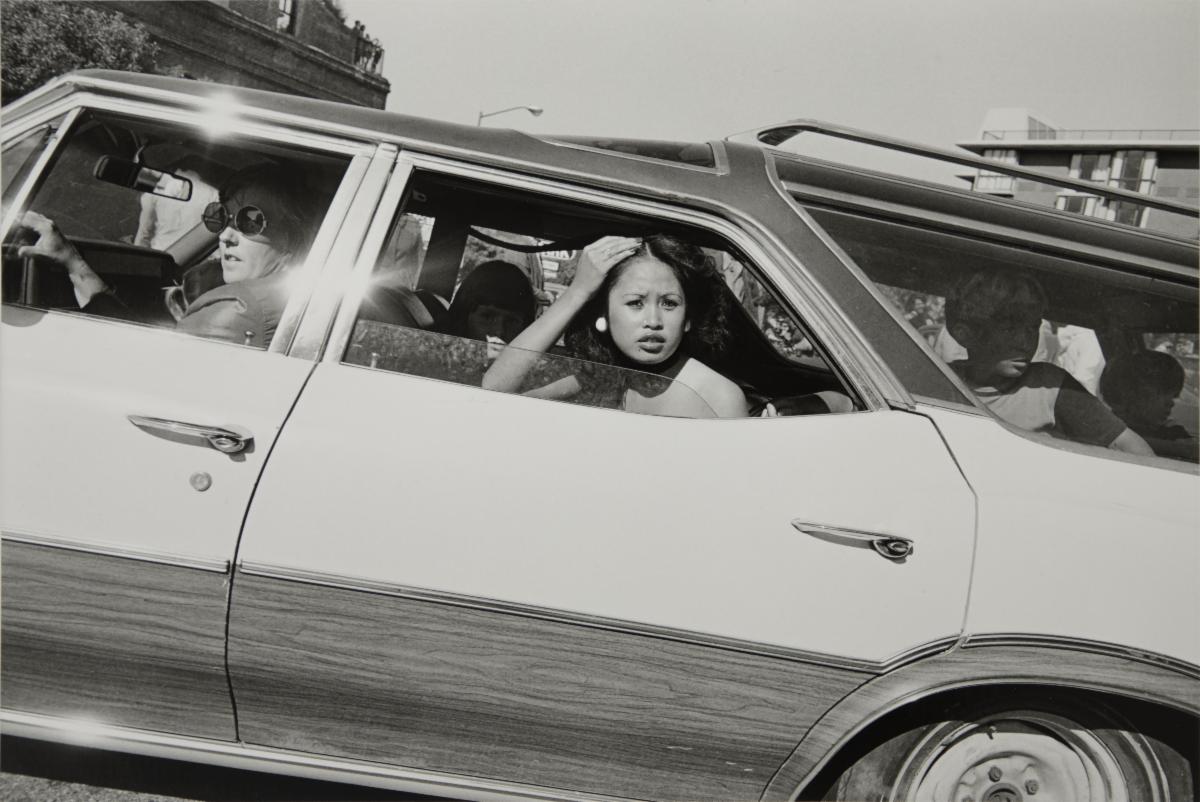
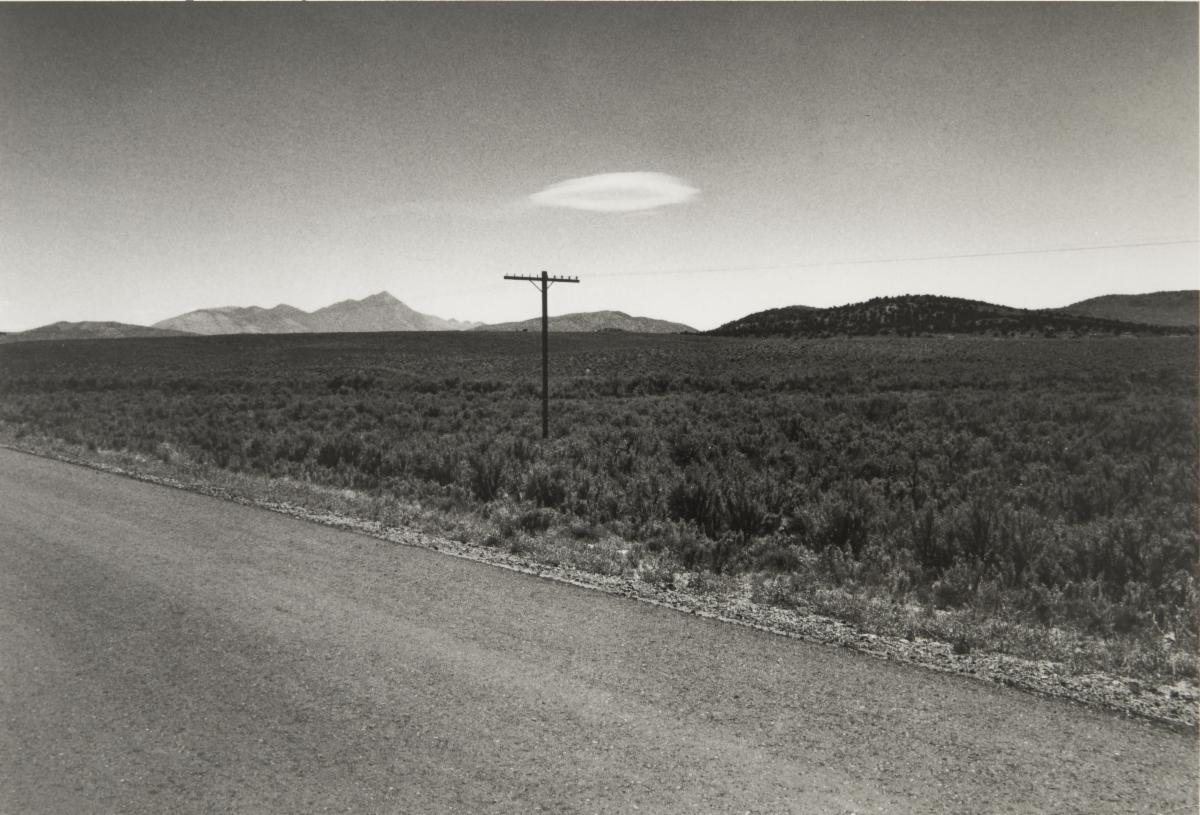
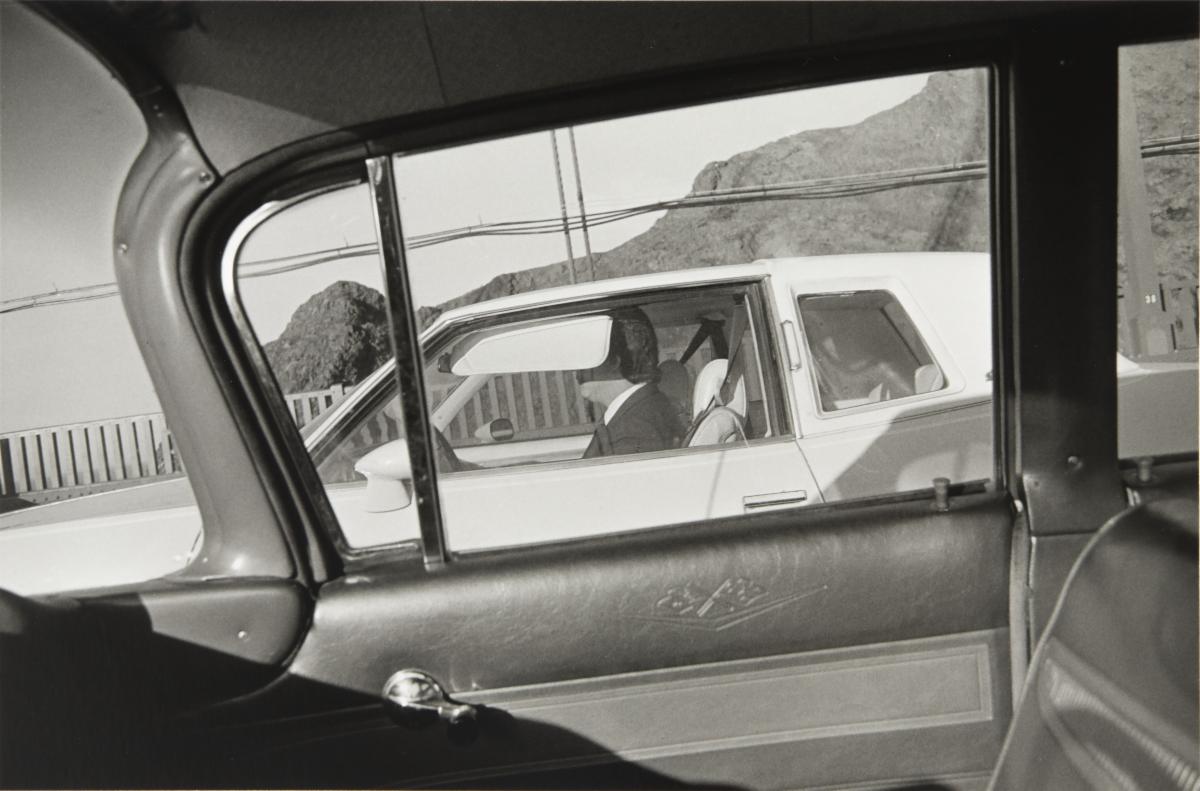
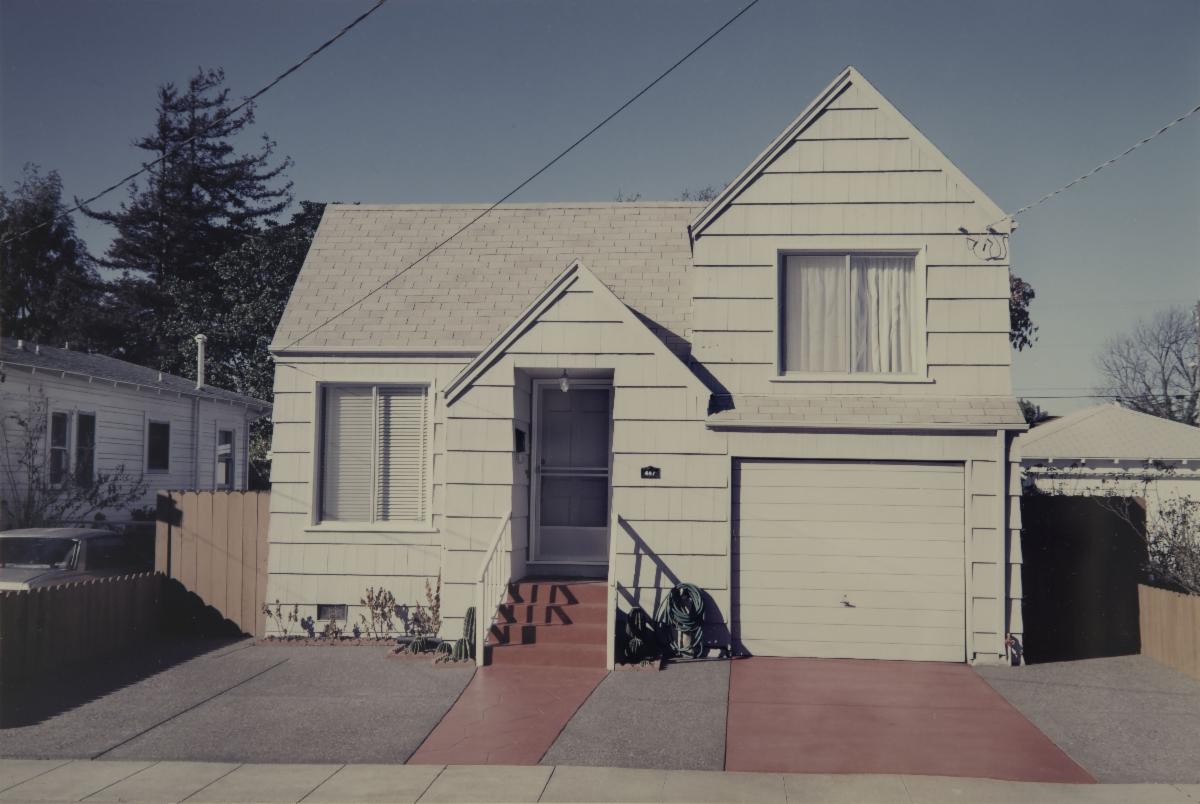
Glimpse the photographer Henry well acclaimed photographs of American life, and landscape of the America West at the Grolier Club!! Worth seeing how his eye capture the essence of the 1070's
|
|
|
|
|
|
|
|
| ||||||||||||||||||||||
|