Showing posts with label MC2 Gallery. Show all posts

Monday, April 13, 2026

MC2 Gallery Italy, a look at Manbertos Tentinso assesment of masterworks reworked thpugh his pallet.


FOCUS


LAMBERTO TEOTINO

(ITALY, 1970)


1816

Mary Shelley, 2017 - Stampa a pigmenti d'archivio su carta di cotone Hahnemuhle, la cornice in foglia d'oro, 80 x 66,5 cm - ed. 5
Mary Shelley, 2017 - Archival pigment print on Hahnemuhle cotton paper, gold leaf frame,

80 x 66.5 cm - ed. 5


L’anno senza estate: una crisi di sopravvivenza continentale

Nel panorama dell'arte contemporanea, raramente un progetto racchiude in sé una tale densità storica e atmosferica come "1816". Per comprendere l’operazione di Lamberto Teotino, dobbiamo prima calarci nel clima di quell’anno, definito dallo storico John D. Post come "l'ultima grande crisi di sopravvivenza nel mondo occidentale". A causa dell’eruzione del vulcano Tambora, una coltre di cenere avvolse il pianeta, determinando quella che oggi ricordiamo come la "piccola era glaciale". Fu un anno senza estate. Un tempo sospeso, dove la luce del sole venne filtrata da detriti vulcanici, trasformando i cieli in visioni crepuscolari — le stesse che avrebbero ispirato i paesaggi apocalittici di William Turner — e costringendo l'umanità a un isolamento forzato. È in questo scenario di raccolti distrutti e nevicate estive che la letteratura ha partorito i suoi incubi più persistenti: Mary Shelley e John Polidori, chiusi nelle loro stanze, gareggiavano a chi avrebbe scritto la storia più spaventosa, dando vita a Frankenstein e Il Vampiro. Teotino sceglie questo crocevia della storia per operare la sua personale indagine sul confine tra l'esistente e l'immaginario, tra il reperto e l'invenzione.


The year without summer: a continental survival crisis

In the landscape of contemporary art, rarely does a project encapsulate such historical and atmospheric density as "1816". To understand Lamberto Teotino’s work, we must first immerse ourselves in the climate of that year, defined by historian John D. Post as "the last great survival crisis in the Western world." Due to the eruption of Mount Tambora, a blanket of ash engulfed the planet, leading to what we now remember as the "Little Ice Age." It was the year without a summer. A suspended time, where sunlight was filtered through volcanic debris, transforming the skies into twilight visions—the same that would inspire the apocalyptic landscapes of William Turner—and forcing humanity into a state of forced isolation. It was within this scenery of destroyed harvests and summer snowfalls that literature birthed its most persistent nightmares: Mary Shelley and John Polidori, confined to their rooms, competed to write the most terrifying story, eventually giving life to Frankenstein and The Vampyre. Teotino chooses this crossroads of history to conduct his personal investigation into the boundary between the existing and the imaginary, between the artifact and the invention.


Amplefort, 2017 - Stampa a pigmenti d'archivio su carta di cotone Hahnemuhle, la cornice in foglia d'oro, 80 x 66,5 cm - ed. 5
Amplefort, 2017 - Archival pigment print on Hahnemuhle cotton paper, gold leaf frame,

80 x 66.5 cm - ed. 5


Un dipinto senza materia, una fotografia senza scatto

Il progetto 1816 si fonda su un paradosso ontologico che scardina le definizioni tradizionali di genere artistico. Teotino non parte dalla realtà fenomenica, ma dal recupero dell'archivio digitale. L'artista ha setacciato il web alla ricerca di ritratti ad olio su tele pittoriche antiche del XIX secolo, tele che portano su di sé i segni del tempo: crepe, mancanze, ossidazioni e ferite della materia. La sua operazione è di natura quasi chirurgica: egli non restaura il dipinto, ma ne estrapola i dettagli dalle parti rovinate, analizzandoli e rielaborandoli digitalmente attraverso un sistema di sintesi che fonde la pittura con la stampa fotografica artistica. Il risultato finale è un cortocircuito visivo di straordinaria potenza: un dipinto senza materia e una fotografia senza scatto. Siamo di fronte a un’opera senza materia perché la fisicità della tela e dell'olio viene sublimata nella bidimensionalità della stampa, perdendo lo spessore del pigmento ma mantenendone l'anima cromatica. Al contempo, è una fotografia senza scatto poiché l'immagine non nasce dall'occhio che guarda attraverso un obiettivo, ma da un processo di decostruzione e post-produzione di un'opera preesistente.

A painting without matter, a photograph without a shot

The 1816 project is based on an ontological paradox that subverts traditional definitions of artistic genres. Teotino does not begin with phenomenal reality, but with the recovery of the digital archive. The artist scoured the web in search of oil portraits on ancient pictorial canvases from the 19th century—canvases that bear the marks of time: cracks, gaps, oxidation, and wounds of the matter. His operation is almost surgical in nature: he does not restore the painting but extrapolates details from the damaged parts, analyzing and digitally reworking them through a synthesis system that merges painting with artistic photographic printing. The final result is a visual short-circuit of extraordinary power: a painting without matter and a photograph without a shot. We are faced with a work without matter because the physicality of the canvas and oil is sublimated into the two-dimensionality of the print, losing the thickness of the pigment while retaining its chromatic soul. At the same time, it is a photograph without a shot because the image does not originate from an eye looking through a lens, but from a process of deconstruction and post-production of a pre-existing work.

Atmospheric Particulate Matter, 2017 - Stampa a pigmenti d'archivio su carta di cotone Hahnemuhle,

la cornice in foglia d'oro, 152,7 x 127,5 cm - ed. 5
Atmospheric Particulate Matter, 2017 - Archival pigment print on Hahnemuhle cotton paper, gold leaf frame, 152.7 x 127.5 cm - ed. 5


L’estetica del frammento e la "Oltre-fotografia"

L’originalità di Teotino risiede nel modo in cui isola il particolare "guasto" della tela antica e lo eleva a protagonista della composizione. In 1816, il difetto della pittura diventa l'elemento strutturale del nuovo apparato visivo. L'errore del tempo — la scrostatura, la muffa, la crepa — viene reinterpretato come un "glitch" filosofico, un malfunzionamento del sistema che rivela la fragilità della nostra memoria storica e della nostra percezione. I volti dei nobili e dei borghesi del XIX secolo subiscono nelle mani di Teotino una mutazione metafisica. L'artista trasforma il ritratto celebrativo in un'icona del perturbante. Si entra così nel territorio della "Oltre-fotografia": un linguaggio dove lo scatto è sostituito dall'analisi e la realtà dalla simulazione. Come i mostri della Shelley nacquero dall'isolamento forzato del 1816, così i soggetti di Teotino nascono dall'oscurità digitale e dal vuoto della materia. Essi sono esseri di confine, spettri che abitano la soglia tra il passato pittorico e la visione tecnologica contemporanea.


The aesthetics of the fragment and "Beyond-photography"

Teotino's originality lies in how he isolates the specific "failure" of the ancient canvas and elevates it to the protagonist of the composition. In 1816, the flaw of the painting becomes the structural element of the new visual apparatus. The error of time—the peeling, the mold, the crack—is reinterpreted as a philosophical "glitch," a system malfunction that reveals the fragility of our historical memory and perception. The faces of 19th-century nobles and bourgeoisie undergo a metaphysical mutation in Teotino’s hands. The artist transforms the celebratory portrait into an icon of the uncanny. We thus enter the territory of "Beyond-photography": a language where the shot is replaced by analysis and reality by simulation. Just as Shelley’s monsters were born from the forced isolation of 1816, Teotino’s subjects are born from digital darkness and the void of matter. They are threshold beings, ghosts inhabiting the limit between the pictorial past and contemporary technological vision.


A Flower with Advection Frost, 2017 - Stampa a pigmenti d'archivio su carta di cotone Hahnemuhle, la cornice in foglia d'oro, 80 x 66,5 cm - ed. 5
A Flower with Advection Frost, 2017 - Archival pigment print on Hahnemuhle cotton paper, gold leaf frame,

80 x 66.5 cm - ed. 5


La suggestione di Turner e la cenere digitale

Mentre Turner traduceva l'alta concentrazione di cenere nell'atmosfera in esplosioni di luce e colore, Teotino traduce quella stessa "cenere" in una densità di stampa pigmentata che sfida la percezione. La sua tecnica permette di raggiungere neri di una profondità assoluta e tonalità che sembrano conservare la polvere degli archivi dimenticati. In questo senso, Teotino opera una sparizione dell'oggetto originale per restituirne l'essenza pura. Nell'era della riproducibilità tecnica estrema, l'artista ci riporta all'aura del soggetto attraverso la sua negazione. Le opere di questa serie sono riflessioni sulla sopravvivenza dell'immagine oltre la morte del supporto fisico, dove il "buio" introdotto dall'artista permette alla nostra immaginazione di generare nuovi mondi e nuovi fantasmi, proprio come accadde in quella terribile estate di due secoli fa.


Turner’s suggestion and digital ash

While Turner translated the high concentration of ash in the atmosphere into explosions of light and color, Teotino translates that same "ash" into a pigmented print density that challenges perception. His technique allows for blacks of absolute depth and tones that seem to preserve the dust of forgotten archives. In this sense, Teotino operates a disappearance of the original object to return its pure essence. In the age of extreme technical reproducibility, the artist brings us back to the subject's aura through its negation. The works in this series are reflections on the survival of the image beyond the death of the physical support, where the "darkness" introduced by the artist allows our imagination to generate new worlds and new ghosts, just as happened in that terrible summer two centuries ago.


MDCCCXVI, 2017 - Stampa a pigmenti d'archivio su carta di cotone Hahnemuhle, la cornice in foglia d'oro,

80 x 66,5 cm - ed. 5
MDCCCXVI, 2017 - Archival pigment print on Hahnemuhle cotton paper, gold leaf frame,

80 x 66.5 cm - ed. 5


Lamberto Teotino

Lamberto Teotino (Napoli, 1970) vive e lavora a Roma. La sua ricerca si concentra sull'indagine del sistema visivo e sulla decostruzione dell'immagine d'archivio, esplorando il confine sottile tra realtà e percezione attraverso l'uso di tecnologie digitali applicate alla fotografia e alla pittura. Il suo percorso espositivo è caratterizzato da importanti tappe istituzionali, tra cui la Galleria Nazionale d'Arte Moderna e Contemporanea (GNAM), il MAXXI, il MACRO, il Musée de l'Élysée di Losanna e Fotografiska a Stoccolma. Le sue opere sono state presentate in prestigiosi contesti internazionali, tra cui il Festival Rencontres d'Arles e Paris Photo.


Lamberto Teotino (Naples, 1970) lives and works in Rome. His research focuses on the investigation of the visual system and the deconstruction of archival images, exploring the thin line between reality and perception through the use of digital technologies applied to photography and painting. His exhibition history features significant institutional milestones, including the Galleria Nazionale d'Arte Moderna e Contemporanea (GNAM)MAXXIMACRO, the Musée de l'Élysée in Lausanne, and Fotografiska in Stockholm. His works have been presented in prestigious international contexts, including the Rencontres d'Arles Festival and Paris Photo.


Untitled, 2017 - Stampa a pigmenti d'archivio su carta di cotone Hahnemuhle, la cornice in foglia d'oro,

152,5 x 127,5 cm - ed. 5
Untitled, 2017 - Archival pigment print on Hahnemuhle cotton paper, gold leaf frame,

152,5 x 127,5 cm - ed. 5


MC2GALLERY


- CURRENT EXHIBITIONS -


THE PHAITHE PHAIR

22-24 Maggio  |  22-24 May 2026

PAUL CUPIDO SOLO SHOW


Saturday, March 14, 2026

Denis Curti curates Photography via Artists Embracing~ ~Fotografie` 100 Photographs to Inherit the World-March 7 – June 28, 2026

 A well created collection like the camera's "eye" focused on  the value of photographs to record while displaying the infused moment in time which relates a feeling in image. I love this exhibit!!! Jamie Forbes, Publisher of the SunStormFineArtMagaize.com, and the Fineartmagazinbog.blogspot. We are the place where the creative force to present the opportunity to envision what is and see the possibilities of what can be via ART!!!!!!


JACOB AUE SOBOL

(Denmark, 1976)


L’EREDITA’ DELLA VISIONE  |  LA STORIA DELLA FOTOGRAFIA A MILANO

THE LEGACY OF VISION  |  THE HISTORY OF PHOTOGRAPHY IN MILAN


La fotografia è il linguaggio che contiene il mondo: uno strumento capace di articolare ciò che siamo stati, ciò che siamo e ciò che potremmo ancora diventare. È da questa consapevolezza che nasce la mostra antologica "100 Fotografie per ereditare il mondo", attualmente in corso presso il MUDEC – Museo delle Culture di Milano. Curata da Denis Curti, la rassegna si configura come un’indagine critica sul lascito visivo e culturale che la fotografia ha consegnato alla modernità. Attraverso una selezione rigorosa di cento capolavori, il percorso espositivo delinea una storia dell'umanità filtrata dal mezzo fotografico, trasformando l'immagine da semplice documento a spazio di invenzione e consapevolezza collettiva.


Photography is the language that holds the world: a tool capable of articulating what we have been, what we are, and what we may yet become. It is from this awareness that the anthological exhibition "100 Photographs to Inherit the World", currently underway on view at MUDEC – Museo delle Culture in Milan. Curated by Denis Curti, the project unfolds as a critical inquiry into the visual and cultural legacy that photography has handed down to modernity. Through a rigorous selection of one hundred masterpieces, the exhibition charts a history of humanity filtered through the photographic medium, transforming the image from a mere record into a space of invention and collective awareness.


Woman from Yakutsk, Far East SiberiaStampa alla gelatina d'argento da negativo / file digitale,

101 x 76 cm / 152 x 101 cm, ed. 3

Woman from Yakutsk, Far East Siberia, Gelatin silver print from negative / digital file,

101 x 76 cm / 152 x 101 cm, ed. 3


Jacob Aue Sobol: Tra i Grandi Maestri della Magnum


In questo contesto di assoluto rilievo istituzionale, il lavoro di Jacob Aue Sobol trova la sua collocazione naturale accanto alle icone che hanno definito il canone fotografico del Novecento. La sua ricerca si inserisce in un dialogo serrato con le avanguardie di Man Ray e Aleksandr Rodchenko, le intuizioni poetiche di Henri Cartier-Bresson e l'introspezione simbolica di Robert Mapplethorpe. Membro dell’agenzia Magnum Photos, Sobol rappresenta una delle voci più radicali della contemporaneità. Il suo bianco e nero estremo opera una sintesi perfetta tra il reportage d'autore e il diario intimo, capace di trasformare l'incontro umano in una testimonianza visiva universale. La presenza di quest'opera è stata resa possibile grazie alla Collezione Ettore Molinario, sottolineando l'importanza delle collezioni private nel sostenere la diffusione della cultura fotografica.


Jacob Aue Sobol: Among the Great Magnum Masters


In this context of absolute institutional significance, the work of Jacob Aue Sobol finds its natural place alongside the icons that defined the twentieth-century photographic canon. His research engages in a close dialogue with the avant-gardes of Man Ray and Aleksandr Rodchenko, the poetic insights of Henri Cartier-Bresson, and the symbolic introspection of Robert Mapplethorpe. A member of Magnum Photos, Sobol represents one of the most radical voices of our time. His extreme black and white achieves a perfect synthesis between auteur reportage and an intimate diary, capable of transforming human encounters into a universal visual testimony. The presence of this work was made possible thanks to the Collezione Ettore Molinario, highlighting the fundamental importance of private collections in supporting the dissemination of photographic culture.


Woman from Yakutsk, 101 x 76 cm, Courtesy Collezione Ettore Molinario


Un Appuntamento Imperdibile durante il MIA Photo Fair

Per i collezionisti e gli appassionati che visiteranno il MIA Photo Fair, la mostra al MUDEC rappresenta un’estensione culturale imprescindibile. Data la posizione privilegiata del Museo, situato esattamente di fronte alla sede della fiera, invitiamo il pubblico a cogliere l'occasione della visita al MIA per scoprire questa straordinaria rassegna e osservare da vicino l’opera di Jacob Aue Sobol allestita nel percorso museale, accanto a maestri del calibro di André KertészMario Giacomelli e David LaChapelle. Un'occasione unica per riflettere su temi urgenti come l'identità e la crisi ambientale, riaffermando il ruolo della fotografia come bussola per la memoria collettiva.


An Unmissable Event During MIA Photo Fair

For collectors and enthusiasts visiting MIA Photo Fair, the exhibition at MUDEC represents an essential cultural extension. Given the museum's privileged location, situated directly opposite the fair's venue, we invite the public to take the opportunity during their visit to MIA to discover this extraordinary showcase and closely observe Jacob Aue Sobol’s work within the museum itinerary, alongside masters such as André KertészMario Giacomelli, and David LaChapelle. This is a unique opportunity to reflect on urgent themes such as identity and the environmental crisis, reaffirming photography's role as a compass for collective memory.


INFO MOSTRA / EXHIBITION INFO:
100 Fotografie per ereditare il mondo / 100 Photographs to Inherit the World
MUDEC – Museo delle Culture, Milano (Via Tortona, 56)
 7 marzo – 28 giugno 2026 / March 7 – June 28, 2026
#mc2gallery#sunstormfineartmagazine.com#fineartmagazinebog.blogspot#artfunjamie


Wednesday, May 8, 2024

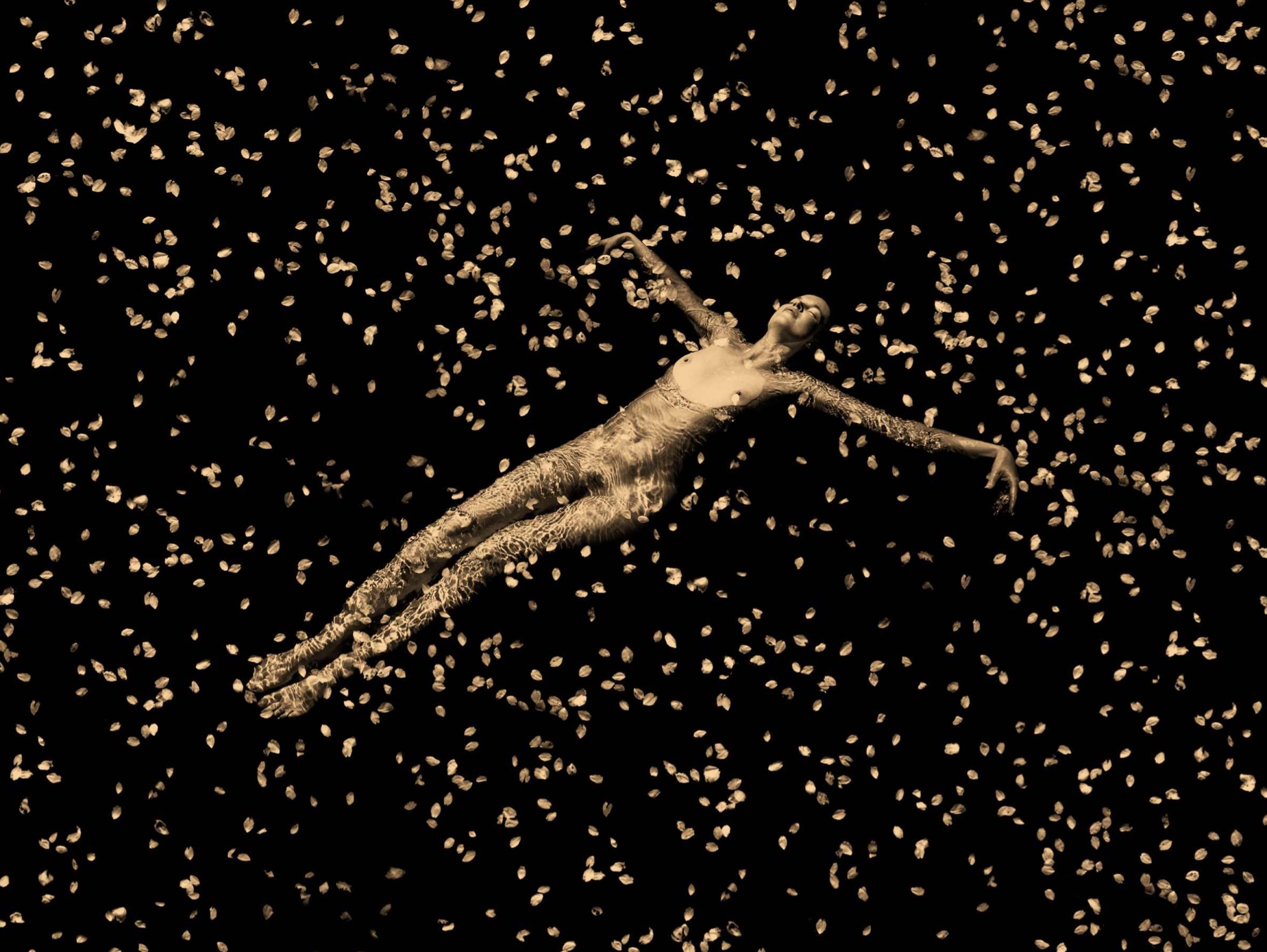
MC2GALLERY THANKS YOU FOR VISITING CASPER FAASSEN'S SOLO SHOW AT “THE FAIR”


MC2GALLERY THANKS YOU FOR VISITING CASPER FAASSEN'S SOLO SHOW AT “THE FAIR”


A look at Casper Faassen's work as a whole reveals that themes such as transience, beauty and feminine splendor form the basis of his work.


For Faassen, working with dancers and exploring movement in space is a constant theme in his artistic work. Over the last two years, in close collaboration with dancer Madoka Kariya, he has developed his new series "Void". Through this collaboration he seeks to translate Kariya's understanding of space through dance into his photography. He approaches the viewer and moves away. What is revealed to him is as important as what is hidden from him. Fascinated by Japanese philosophy, he explores the theme of "Ma" through landscapes and movement studies. “But” is understood as the space between, which does not separate but connects.


“The juxtaposition between the eternal and the temporal, beauty and decay, appearance and disappearance is my main theme.” All painters and photographers have the ability to stop time and capture a single moment. Faassen highlights that moment by adding a temporal element – not necessarily using literal references to vanitas but through the manipulation of materials. The use of craquelure is its symbol of time and introduces a visual element as it is oil paint and therefore sharp, contrasting with the rest of the blurry image. Most of the distance is created by the way the photo is taken, through an opaque medium. He prints the image on the same opaque support giving a further sense of distance. “What I also like about craquelure is the texture it gives to the surface or leather. The work becomes more material, more substantial, aiming for painting instead of photography and thus encouraging a different way of perceiving the work."


Characteristic of Faassen's works is his continuous innovative approach to materials, techniques and disciplines. In addition to painting and graphic art, Faassen dedicates much of his time to the photographic medium. It is in his photographic work that we recognize the Leiden painters who inspired him. His signature works depict classic 17th- century themes such as cityscapes, vanitas paintings, and flower arrangements.


Casper's unique style, which mixes photography and painted layers in his work and juxtaposes subject (beauty) with form (decay), has won praise from critics and the public. His work has been exhibited at numerous international art fairs such as AIPAD New York, Photo London, Unseen, PAN Amsterdam and Photo Basel, where he won the ALPA award in 2019. His work is featured in private and public collections such as Frans Hals Museum (Haarlem), Museum de Lakenhal (Leiden), Haagsch Historisch Museum and Royal Netherlands Library (The Hague). Recently, the Fotografiska Museum in Stockholm and the Japanmuseum Sieboldhuis in Leiden have hosted solo exhibitions of Faassen's work. His "View of the Hague" and "View of Dordrecht" were displayed alongside Jan van Goyen's original masterpieces in the Historical Museum of the Hague and the Dordrecht Museum respectively.


MONTENEGRO / ITALY
#mc2gallery#fineartmagazine#fineartfun

Saturday, October 21, 2023

mc2gallery contempoary art exhibition of New Eden: Science Fiction transformed.21 October 2023 I 4 March 2024


Logo


mc2gallery in collaboration with ART SCIENCE MUSEUM - SINGAPORE, is proud to announce the participation of Liu Xiaofang in the exhibition NEW EDEN


21 October 2023  I  4 March 2024


______________


OPENING TODAY 21 OCTOBER 2023


New Eden exhibition
Art Science Museum - Singapore

Art Science Museum - Singapore


New Eden: Science Fiction Mythologies Transformed offers fresh insights on science fiction, a genre built on envisioning alternative futures and imaginary realms. The lines connecting science fiction with Asian philosophy and mythologies are brought to light through the work of twenty-four Asian women artists and collectives.


The exhibition is organised into eight chapters that feature contemporary artworks, historical artefacts and films from both Asia and the West. Adopting Western science fiction paradigms, such as parallel worlds and interdimensional travel, as a starting point, New Eden explores science fiction’s possible roots in Asian philosophy and spirituality. Themes such as hybridity, mysticism, transcendence and other-worldly utopias, which are found in both fields, seem to point to cultural traditions in Asia.


As diverse voices gain prominence, the traditionally male-dominated genre of science fiction is slowly evolving. But rarely is science fiction approached from the perspective of Asia and through the work of women. Moving seamlessly between ancient mythology, contemporary art and post-modern cinema, this exhibition celebrates the dream worlds, futuristic visions and fantastical realities envisaged by Asian artists, showcasing women and alternative voices who are calling for a more inclusive future.


Curated by Gail Chin, Joel Chin, Adrian George and Honor Harger.


Artists: Morehshin Allahyari (Iran), Cao Fei (China), Patty Chang (USA), Kara Chin (Singapore), Chok Si Xuan (Singapore), Club Ate (Australia), Debbie Ding (Singapore), Fei Yi Ning (China), Shilpa Gupta (India), Etsuko Ichihara (Japan), Lee Bul (South Korea), Liu Xiaofang (China), Xin Liu (China), Mariko Mori (Japan), Moon and Jeon (South Korea), Nguyen Trinh Thi (Vietnam), PACK (South Korea), Anne Samat (Malaysia), Soe Yu New (Myanmar), Sputniko! (Japan), Astria Suparak (USA), The House of Natural Fiber (Indonesia), and Saya Woolfalk (Japan).


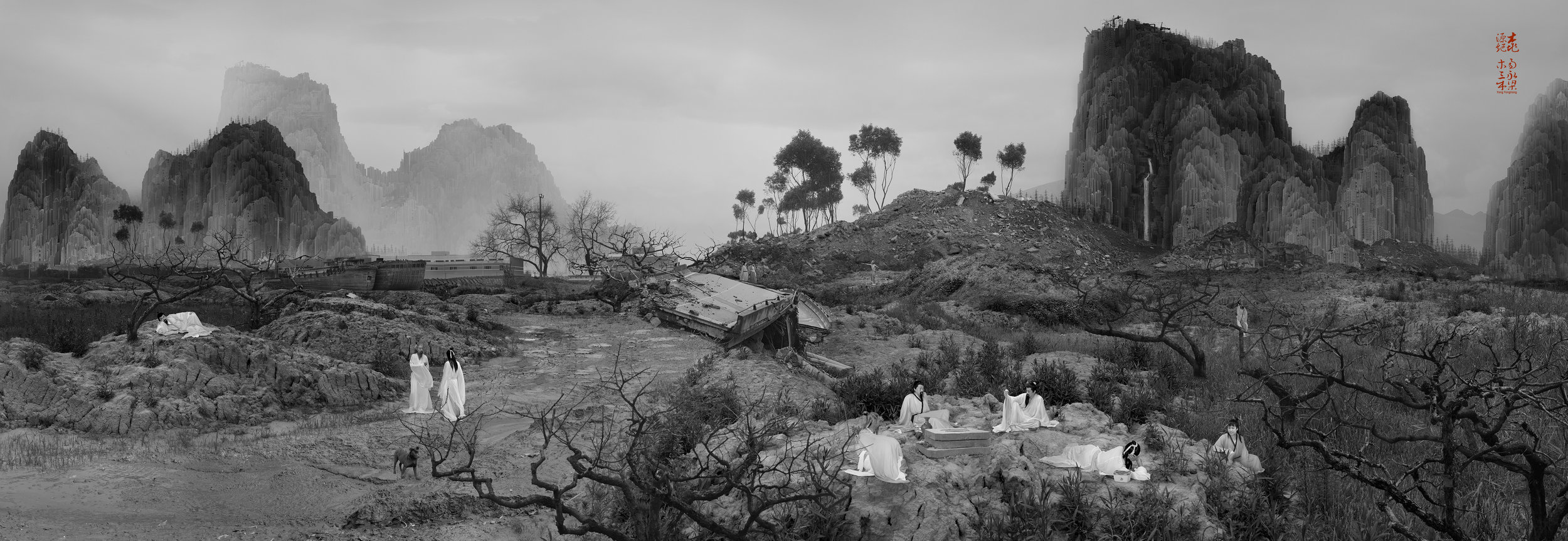
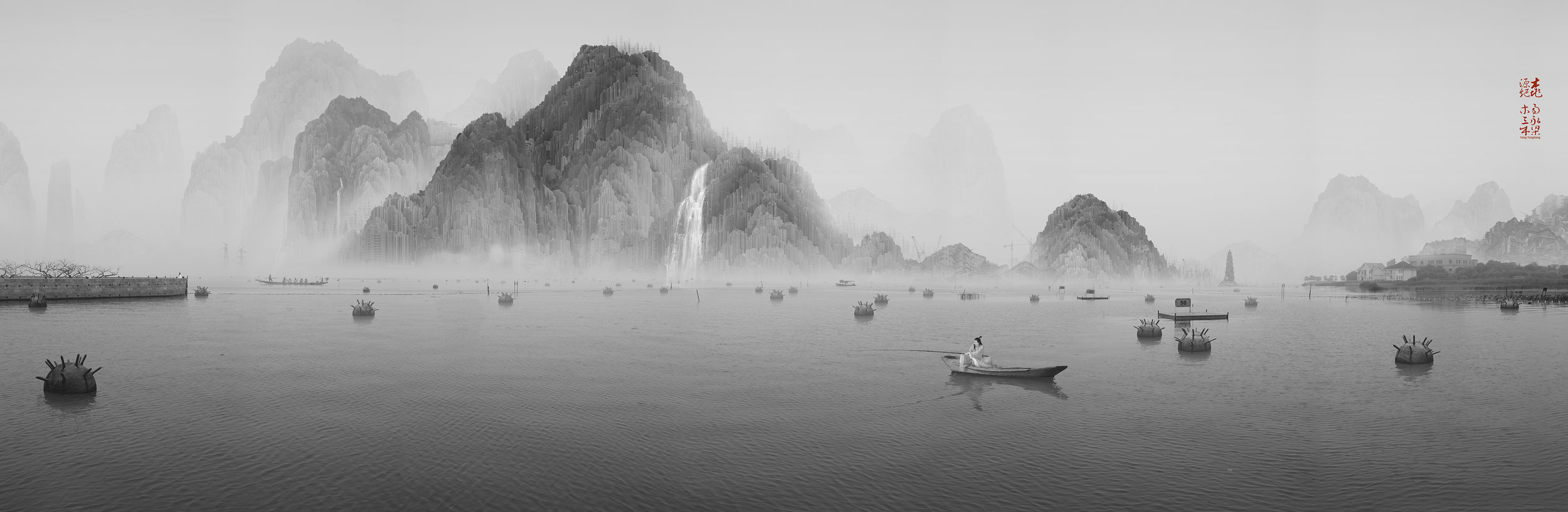
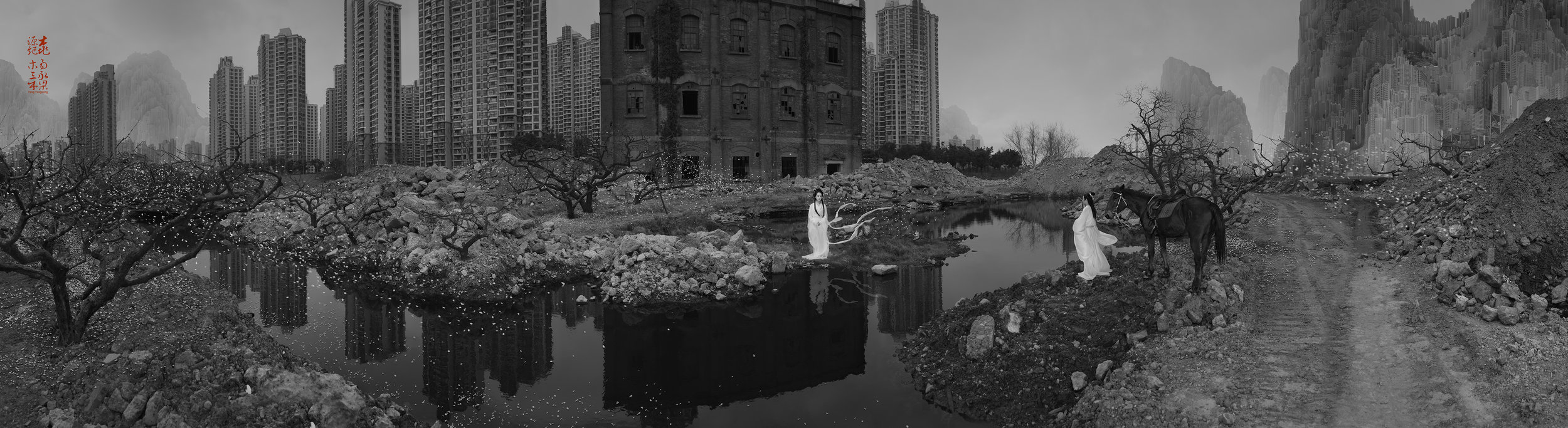
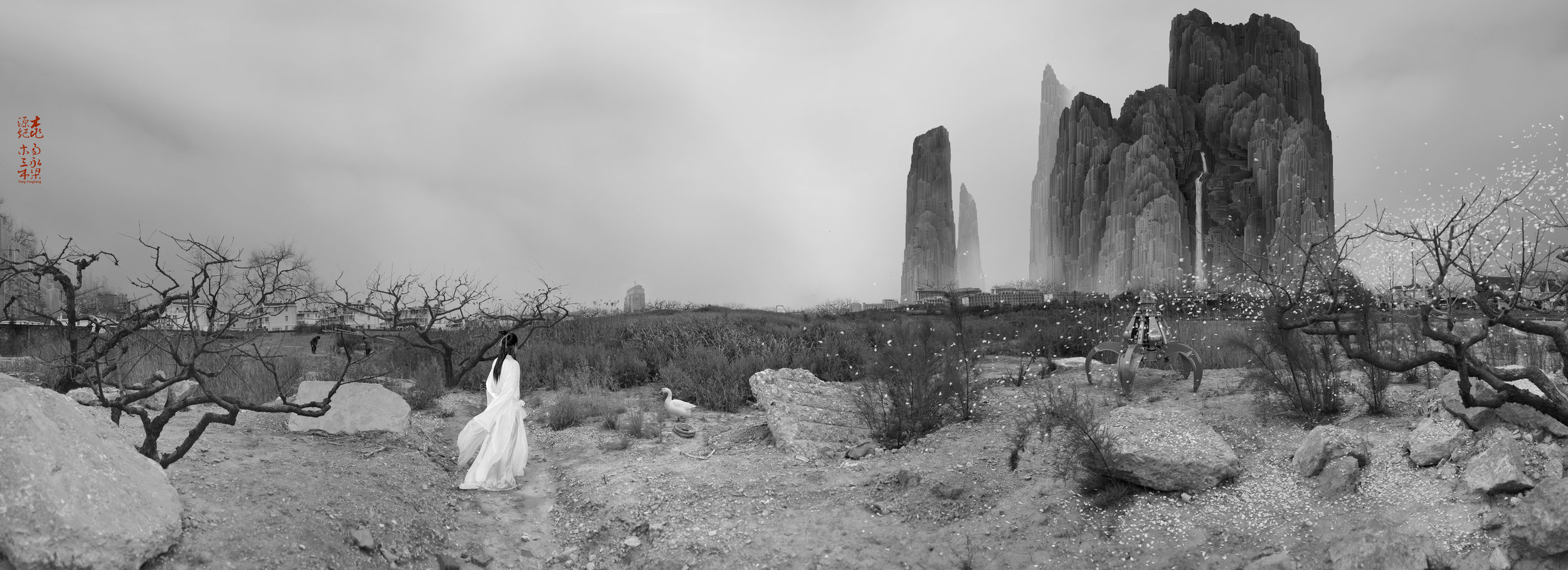
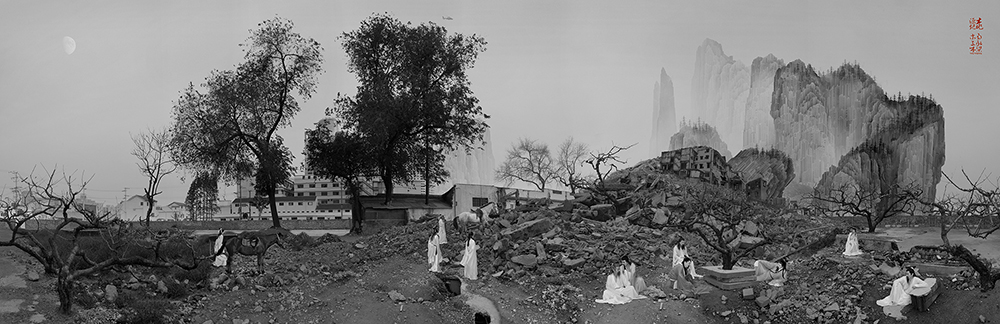
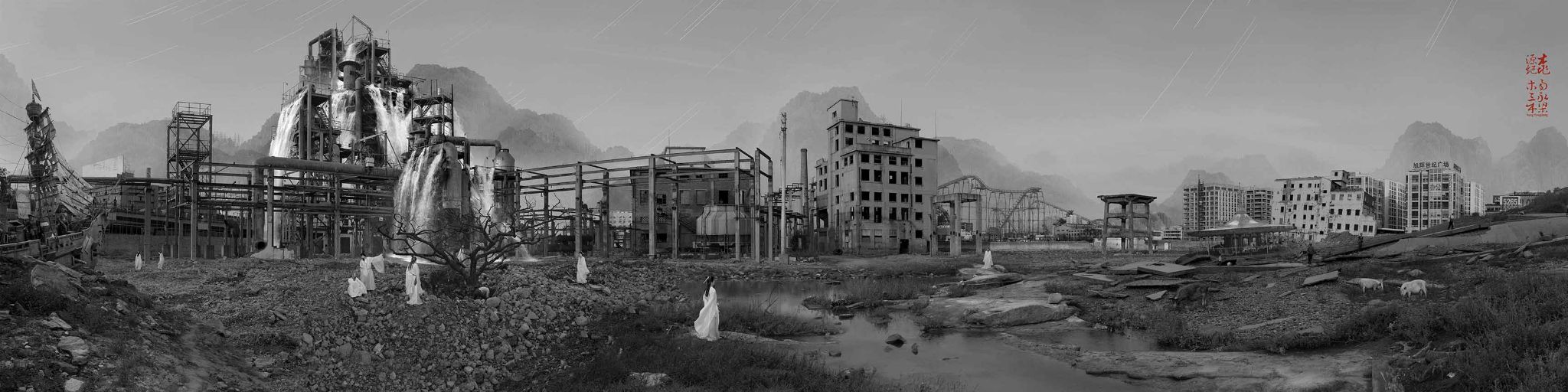
Liu Xiaofang - At the end of the World #3; Courtesy mc2gallery


New Eden: Science Fiction Mythologies Transformed offre nuovi spunti sulla fantascienza, un genere costruito sulla visione di futuri alternativi e regni immaginari. Le linee che collegano la fantascienza con la filosofia e le mitologie asiatiche vengono portate alla luce attraverso il lavoro di ventiquattro artiste e collettivi asiatici.


La mostra è organizzata in otto capitoli che presentano opere d'arte contemporanee, manufatti storici e film provenienti sia dall'Asia che dall'Occidente. Adottando i paradigmi della fantascienza occidentale, come i mondi paralleli e i viaggi interdimensionali, come punto di partenza, New Eden esplora le possibili radici della fantascienza nella filosofia e nella spiritualità asiatiche. Temi come l'ibridità, il misticismo, la trascendenza e le utopie ultraterrene, che si trovano in entrambi i campi, sembrano indicare tradizioni culturali in Asia.


Man mano che voci diverse acquistano importanza, il genere della fantascienza, tradizionalmente dominato dagli uomini, si sta lentamente evolvendo. Ma raramente la fantascienza viene affrontata dalla prospettiva dell’Asia e attraverso il lavoro delle donne. Muovendosi senza soluzione di continuità tra mitologia antica, arte contemporanea e cinema postmoderno, questa mostra celebra i mondi dei sogni, le visioni futuristiche e le realtà fantastiche immaginate dagli artisti asiatici, mettendo in mostra donne e voci alternative che chiedono un futuro più inclusivo.


A cura di Gail Chin, Joel Chin, Adrian George e Honor Harger.


Artisti: Morehshin Allahyari (Iran), Cao Fei (Cina), Patty Chang (USA), Kara Chin (Singapore), Chok Si Xuan (Singapore), Club Ate (Australia), Debbie Ding (Singapore), Fei Yi Ning (Cina), Shilpa Gupta (India), Etsuko Ichihara (Giappone), Lee Bul (Corea del Sud), Liu Xiaofang (Cina), Xin Liu (Cina), Mariko Mori (Giappone), Moon and Jeon (Corea del Sud), Nguyen Trinh Thi (Vietnam), PACK (Corea del Sud), Anne Samat (Malesia), Soe Yu New (Myanmar), Sputniko! (Giappone), Astria Suparak (USA), The House of Natural Fiber (Indonesia) e Saya Woolfalk (Giappone).


Liu Xiaofang - At The and of the world #1; Courtesy mc2gallery

Liu Xiaofang - English
Liu Xiaofang - Italiano


_______________


mc2gallery in collaborazione con ART SCIENCE MUSEUM - SINGAPORE, e’ orgogliosa di segnalare la partecipazione di Liu Xiaofang nella mostra NEW EDEN


21 Ottobre 2023  I  4 Marzo 2024


OPENING TODAY 21 OCTOBER 2023


New Eden exhibition
Art Science Museum - Singapore

Art Science Museum - Singapore


New Eden: Science Fiction Mythologies Transformed offers fresh insights on science fiction, a genre built on envisioning alternative futures and imaginary realms. The lines connecting science fiction with Asian philosophy and mythologies are brought to light through the work of twenty-four Asian women artists and collectives.


The exhibition is organised into eight chapters that feature contemporary artworks, historical artefacts and films from both Asia and the West. Adopting Western science fiction paradigms, such as parallel worlds and interdimensional travel, as a starting point, New Eden explores science fiction’s possible roots in Asian philosophy and spirituality. Themes such as hybridity, mysticism, transcendence and other-worldly utopias, which are found in both fields, seem to point to cultural traditions in Asia.


As diverse voices gain prominence, the traditionally male-dominated genre of science fiction is slowly evolving. But rarely is science fiction approached from the perspective of Asia and through the work of women. Moving seamlessly between ancient mythology, contemporary art and post-modern cinema, this exhibition celebrates the dream worlds, futuristic visions and fantastical realities envisaged by Asian artists, showcasing women and alternative voices who are calling for a more inclusive future.


Curated by Gail Chin, Joel Chin, Adrian George and Honor Harger.


Artists: Morehshin Allahyari (Iran), Cao Fei (China), Patty Chang (USA), Kara Chin (Singapore), Chok Si Xuan (Singapore), Club Ate (Australia), Debbie Ding (Singapore), Fei Yi Ning (China), Shilpa Gupta (India), Etsuko Ichihara (Japan), Lee Bul (South Korea), Liu Xiaofang (China), Xin Liu (China), Mariko Mori (Japan), Moon and Jeon (South Korea), Nguyen Trinh Thi (Vietnam), PACK (South Korea), Anne Samat (Malaysia), Soe Yu New (Myanmar), Sputniko! (Japan), Astria Suparak (USA), The House of Natural Fiber (Indonesia), and Saya Woolfalk (Japan).


Liu Xiaofang - At the end of the World #3; Courtesy mc2gallery


New Eden: Science Fiction Mythologies Transformed offre nuovi spunti sulla fantascienza, un genere costruito sulla visione di futuri alternativi e regni immaginari. Le linee che collegano la fantascienza con la filosofia e le mitologie asiatiche vengono portate alla luce attraverso il lavoro di ventiquattro artiste e collettivi asiatici.


La mostra è organizzata in otto capitoli che presentano opere d'arte contemporanee, manufatti storici e film provenienti sia dall'Asia che dall'Occidente. Adottando i paradigmi della fantascienza occidentale, come i mondi paralleli e i viaggi interdimensionali, come punto di partenza, New Eden esplora le possibili radici della fantascienza nella filosofia e nella spiritualità asiatiche. Temi come l'ibridità, il misticismo, la trascendenza e le utopie ultraterrene, che si trovano in entrambi i campi, sembrano indicare tradizioni culturali in Asia.


Man mano che voci diverse acquistano importanza, il genere della fantascienza, tradizionalmente dominato dagli uomini, si sta lentamente evolvendo. Ma raramente la fantascienza viene affrontata dalla prospettiva dell’Asia e attraverso il lavoro delle donne. Muovendosi senza soluzione di continuità tra mitologia antica, arte contemporanea e cinema postmoderno, questa mostra celebra i mondi dei sogni, le visioni futuristiche e le realtà fantastiche immaginate dagli artisti asiatici, mettendo in mostra donne e voci alternative che chiedono un futuro più inclusivo.


A cura di Gail Chin, Joel Chin, Adrian George e Honor Harger.


Artisti: Morehshin Allahyari (Iran), Cao Fei (Cina), Patty Chang (USA), Kara Chin (Singapore), Chok Si Xuan (Singapore), Club Ate (Australia), Debbie Ding (Singapore), Fei Yi Ning (Cina), Shilpa Gupta (India), Etsuko Ichihara (Giappone), Lee Bul (Corea del Sud), Liu Xiaofang (Cina), Xin Liu (Cina), Mariko Mori (Giappone), Moon and Jeon (Corea del Sud), Nguyen Trinh Thi (Vietnam), PACK (Corea del Sud), Anne Samat (Malesia), Soe Yu New (Myanmar), Sputniko! (Giappone), Astria Suparak (USA), The House of Natural Fiber (Indonesia) e Saya Woolfalk (Giappone).


Liu Xiaofang - At The and of the world #1; Courtesy mc2gallery

Liu Xiaofang - English
Liu Xiaofang - Italiano