Tuesday, June 23, 2026

The "Forever Grateful" Haight Street Art Center JUly 3,2026 -September 3, 2026. celebrating an era of extraordinary change sparked through art and music!

 Fine Art Magazine had the privilege of meeting, and or interviewing  Grateful Dead band members :  Jerry Garcia, 1993 interviewed at the Ambassador Art Gallery, Soho,

Bob Weir, met at my Father's Place, 1976 and reviewed his performance at My Father's Palace , Roslyn, NY

 Rock Scully, long time manager representing  Jerry Garcia's art at Art Expo NY   https://youtu.be/pw_2L3xw1oY?si=ibWA0jBBE0tPEzZ1  

My Opinion: The Grateful Dead's artistic impact as a group, and individually change the landscape of art culturally sparking a tidal wave response  in 1965 through 1995. 

Jamie Forbes/Publisher Fineartmagazineblog.blogspot, and SunStormfineartmagazine.com 

Art creates our window to the world!!!! 


“Forever Grateful” 
The Ultimate Grateful Dead Exhibition
Skeleton Amid Roses
Edmund Joseph Sullivan, A Skeleton Amid Roses, 1903, Ink with Pencil Underlay on Illustration Board; Courtesy of Private Collection.

 
July 3 – September 20, 2026
 
An Extraordinary Glimpse Into the Magic Behind the Music 
and the Renowned Artists Who Shaped the Band’s Visual Identity

 The Haight Street Art Center is proud to present Forever Grateful, a landmark exhibition that pays tribute to the timeless legacy of the Grateful Dead. Opening July 3, 2026, and celebrating the Center’s 10th anniversary, this exhibit, featuring an unparalleled collection of artworks, instruments, and memorabilia, invites visitors to explore three decades of the band’s groundbreaking history. 

 
Chronicling the legendary journey of the Grateful Dead from 1965 to 1995, Forever Grateful offers Dead Heads, casual fans, and art lovers an extraordinary glimpse into the magic behind the music and the artistry that became synonymous with the band’s cultural impact. Spanning both floors of the Center, the exhibition includes more than 400 works, including paintings, pen and ink drawings, original lithographs used to create visually stunning posters, photographs, vinyl records, instruments, and rare ephemera, tracing the evolution of one of the most influential and enduring forces in the music and ethos of America. 
 
At the heart of the exhibition, the largest gallery space is dedicated to a meticulously engineered 1:4 scale replica of the band’s iconic Wall of Sound. This fully operational installation serves as both a focal point and an engaging visitor attraction, broadcasting live recordings from the Grateful Dead’s storied career. The Wall of Sound stands as a testament to the innovative spirit of its creators, anchoring the exhibition with the renowned audio tradition that defined the band’s performances, and offering an opportunity for visitors to gather, listen, and connect. “Forever Grateful,” states Dennis McNally, exhibition advisor and Grateful Dead historian, “celebrates the spirit, artistry, and cultural influence that made the Grateful Dead not just a band, but a phenomenon.”
 
The Grateful Dead reflected the spirit of freedom, creativity, and innovation that has long been associated with California, while creating music that resonated far beyond the state's borders. Rooted in Northern California, the band developed a distinctive identity that blended experimentation, community, and reinvention. Echoing the imagery of “Estimated Prophet,” including the evocative line “California, preaching on the burning shore,” their music forged a profound connection with audiences, embedding their legacy in the fabric of California culture while ultimately becoming a defining part of the American musical landscape.
 
Forever Grateful at its core honors the vibrant Dead Head community, celebrating the fans and artists who helped create a lasting legacy. From the first fan club founded by Bobby Weir’s Palo Alto classmates to the nationwide phenomenon of decorated mail-order ticket envelopes, the show highlights the unique bond between the band and its devoted audience. 
 
“Dead Heads are like people who like licorice. Not everybody likes licorice, but people who like it really like licorice.”  – Jerry Garcia
 
“My family is pleased to know that the Haight Street Art Center will be featuring a Grateful Dead exhibition this summer. What originated here in the 60s and the resulting cultural shift felt across the world will never be forgotten. There’s nowhere like San Francisco and there’s nothing like the Grateful Dead!“ said Trixie Garcia.
 
Created by Dead Heads for Dead Heads, Forever Grateful, serves as both a museum exhibition and a gathering space for visitors to enjoy music, art, photography, and artifacts of the band that defies description and its equally indescribable community,” comments HSAC Board Chair, Roger McNamee.
 
Focusing on the creative vision of renowned artists whose iconic works forged the band’s unique visual identity, Forever Grateful spotlights the creative pioneers of San Francisco’s “Big Five” rock-poster artists, including Wes Wilson, Stanley Mouse, Alton Kelley, Victor Moscoso, and Rick Griffin, whose innovative designs and influences—from Viennese Secessionist posters to surf and car culture—helped shape the aesthetic of an era. Also celebrated for their contributions, with original works from the mid-1960s, are Ruth Garbell and Mari Tepper, as well as 1980s artist Tina Carpenter, who together are rare female voices in what was traditionally a male-dominated poster scene.
 
Among the instantly recognizable motifs showcased in the exhibition are skeletons and the American flag. These symbols have become hallmarks of Grateful Dead iconography. The skeleton was first introduced in 1966 by Wes Wilson, whose poster featuring a cigar-chomping skeleton—originally created by Jose Guadalupe Posada—set the stage for future artistic interpretations. Twenty years later, Rick Griffin’s anniversary artwork combined these motifs, reinforcing the band’s quintessentially psychedelic Americana aesthetic. 
 
A highlight of the exhibition is the legendary “A Skeleton Amid Roses” illustration. Artists Alton Kelley and Stanley Mouse discovered Edmund Joseph Sullivan’s drawing in a 1913 edition of 12th-century Persian poet and mathematician, Omar Khayyam’s quatrains, using it for the band’s September 1966 Avalon Ballroom shows, and later as the cover art for the 1971 album “Skull and Roses.” Sullivan’s original circa 1900 drawing, along with poster copies and acetates for the artwork’s vivid layers, will be on display during the second of three gallery rotations.  *Due to the fragility of the artworks and instruments on display in the Center’s Epicenter gallery, works will rotate throughout the run of the show.
 
Can You Pass the Acid Test? Instrumental in establishing the band within California's cultural landscape and emerging counterculture was the Grateful Dead’s early psychedelic experiences, particularly through their participation as the house band for the renowned Acid Tests. “These experiences had a profound impact on the band,” states McNally, “shifting their approach from traditional performance to one where the entire audience participated in the event, effectively making everyone present part of the collective experience. This participatory paradigm became foundational for the band's ethos over the subsequent thirty years.” 
 
Can You Pass the Acid Test
Paul Foster, Fillmore Auditorium Acid Test, 1966, Offset Lithograph, colored by Owsley Stanley; Courtesy of Private Collection. 

The Acid Tests were first held in the Bay Area in late 1965, before spreading to Los Angeles and Portland, Oregon in 1966. These events, during which time marked the official adoption of the name 'The Grateful Dead' by the band, were organized by Ken Kesey—author of One Flew Over the Cuckoo’s Nest—and the Merry Pranksters, including notable individuals such as Neal Cassady (fictionalized in Jack Kerouac’s On The Road) and Owsley “Bear” Stanley, known for his role in manufacturing and supplying LSD. Later, Owsley would play a pivotal role in advancing the band's audio technology, ultimately culminating in the development of the Wall of Sound.
 
Forever Grateful goes beyond visual art to showcase the Grateful Dead’s legendary sound innovations, highlighted by a working 1:4 scale model of the band’s iconic Wall of Sound. Inspired by guitarist Jerry Garcia’s early passion for high-fidelity audio, the original Wall of Sound was a groundbreaking audio system featuring 600 speakers and nearly 50 McIntosh amplifiers. So massive was the 75-ton behemoth, that it required four semi-trailers and a dedicated crew for transport and set up. 
 
“The thing that really set the Grateful Dead apart from everyone else was its sound, states curator Ben Marks. “It wasn’t merely a technical achievement—the lack of distortion in the band’s live sound allowed you to fully experience the music.”
 
Among Owsley “Bear” Stanley’s strongest attributes was a fanatical devotion to excellence, which applied not only to his chemical creations for the famed Acid Tests, but also to sound. In a study for the painting that would become the album cover for Live/Dead, the first live multi-track recording ever made, artist Bob Thomas painted the letters “RIBS” on the side of the rising figure’s coffin, alas, a detail that would not make it into the final art. The meaning of the abbreviation, “Rest In Bear’s Sound,” however has endured over time, as anyone who has enjoyed a live Grateful Dead show, or even a live Grateful Dead recording, has experienced. 
 
The exhibit’s fully functional Wall of Sound replica—designed and built by Anthony Coscia of Coscia Guitars—boasts 500 speakers powered by 9,000 watts, recreating the concert experience that defined the Dead’s live shows. Exhibition visitors can “Rest In Bear’s Sound” as multi-track recordings play through the Wall, honoring the Grateful Dead’s live audio legacy and the pioneering spirit of its innovative creators. Visually evoking Bill Graham’s famed Winterland stage designs, the Wall of Sound is flanked by paintings inspired by the iconic banners that once hung behind the stage, including Alton Kelley and Stanley Mouse’s crowned skull from the Grateful Dead’s 1966 Avalon Ballroom poster.
Photo Captions: 
Edmund Joseph Sullivan, A Skeleton Amid Roses, 1903, Ink with Pencil Underlay on Illustration Board; Courtesy of Private Collection.
Paul Foster, Fillmore Auditorium Acid Test, 1966, Offset Lithograph, colored by Owsley Stanley; Courtesy of Private Collection. 

Haight Street Art Center Presents Two Landmark Grateful Dead Exhibitions 

Haight Street Art Center announces Forever Grateful, a two-part exhibition series honoring the enduring legacy of the Grateful Dead — and marking the organization's 10th anniversary.

The first exhibition, Forever Grateful, opens July 3, 2026, at Haight Street Art Center. Spanning both floors of the Center, the collection-driven exhibition brings together more than 400 works — paintings, original lithographs, pen and ink drawings, photographs, vinyl records, instruments, and rare ephemera — chronicling the band's journey from 1965 to 1995. It is among the most comprehensive presentations of Grateful Dead visual culture ever assemble.

The second exhibition, Forever Grateful, Golden Gate Park, opens September 5, 2026. As part of the second Forever Grateful exhibition, Third Rail Projects, the award-winning New York immersive performance company, will create moments of experiential performance that animate parts of the exhibition.  Together with a team of local artists, Third Rail Projects adds psychedelic and performance-driven experiences to the exhibition, during which visitors will encounter performers at various points throughout their journey, from dance parades to intimate exchanges. Anchored by Ken Kesey and the Merry Pranksters' legendary Furthur bus and Jerry Garcia's BMW, the exhibition encourages opportunities to share, reflect, and enjoy the kaleidoscopic, transformative energy of the Deadhead community.

Together, the exhibitions offer the Bay Area — and visitors from around the world — two distinct and complementary ways of experiencing the music, the art, and the community the Grateful Dead made possible.

Forever Grateful is on view at Haight Street Art Center beginning July 3, 2026. Forever Grateful, Golden Gate Park runs September 5 – October 25, 2026, at Hall of Flowers, Golden Gate Park, San Francisco.

#forevergreatfuldead#fineartmagazineblogblogspot.com@sunstormfineartmagazine.com#
#jerrygarcia#bobweir#artfunchange#artfunfall#artfunfoever,

Monday, June 22, 2026

Looking for an opptertunity to show your work? See the 38th Annual Best of the Northwest Fall Show (WA) November 6-8/ application deadline 5/30/2026!


The 38th Annual Best of the Northwest Fall Show (WA)

November 6-8, 2026

Application Deadline 6/30/2026

APPLY HERE

WHAT: The 38th Annual Best of the Northwest Fall Show by Northwest Art Alliance

WHERE: Hangar 30, Magnuson Park - Seattle, Washington 

WHEN: November 6-8, 2026

TIMES: Friday: 11am - 7pm | Saturday: 10am - 6pm | Sunday: 10am - 5pm


NOTEWORTHY:

  • Easy ground floor load-in 
  • Free Booth Sitting
  • Pagliacci pizza and salad dinner for artists Thursday evening
  • Artist Lounge - snacks, coffee, tea, and water all Saturday and Sunday
  • Free Parking 
  • No commission
  • Cash awards for People's and Juror's Choice Booths
  • 10 Free Passes for your best customers
  • Postcards mailed to you for your show promotion
  • A variety of booth sizes to best suit your display
  • Free electricity with your booth purchase
  • Group hotel rates available
  • Full media plan to advertise the event
  • Jury Fee: $35 (non-refundable)
  • Standard Booth Fees:(may use tent frame): 10x10 In-Line $715 | 10x10 Corner $825 | 10x15 Corner $1183
  • Smaller non-standard booths are available (varying prices) on a first-come, first-served basis.

NOW ACCEPTING APPLICATIONS on ZAPP

Application Deadline: June 30, 2026

Artist Notification: July 21, 2026

Booth Fee Due: August 5, 2026


Email inquiries to Shrunga Malavalli, Event Coordinator at info@nwartalliance.org

or call 360-579-4903.

You are invited to apply to the 38th annual Best of the Northwest FALL Show, Seattle's Premier Art & Fine Craft show. This 3-day event will be held at Hangar 30 in Warren G. Magnuson Park, Seattle, November 6th - 8th. This is our largest attended show of the year. 


The event starts at 11am on Friday morning with a VIP Preview. The preview draws in our most engaged customers year after year. Patrons will purchase higher-priced tickets to be the first to see and buy from the artists. With their ticket price, they​ can enjoy free baked treats, a custom mocktail, and they are entered to win a prize drawing of $30 gift certificates for artwork. They will enjoy live music while they shop. At 2pm, the doors open to general admission.


The following 2 days, the show will open to the public from 10am until 6pm on Sat and till 5pm on Sun. The general admission prices are $5 advance and $8 at the door. We will be distributing many free passes as well. Seattle food and coffee trucks are on-site during these days.


Our expanded advertisement plan includes Seattle Times digital and print ads, on-air spots on 4 radio stations, poster distribution throughout Seattle, social media ads, direct mailers, and more.


Artists will enjoy easy access to the venue, free parking, free load in night pizza dinner and free snacks in the artist lounge during the event. Please join us in the light-filled, historic airplane hangar with a great community of your fellow artists.


Visit our Website for more information.

#northwestartalliance,#ineartmagazineblog.blogspot.com#sunstormfineartmagazine.com

#ineartfun,fineartfun,artfunfall,artfunwa, artfuncommunity 

Dinah Maxwell Smith exhibits ~Family Album~ photo-Impressionist Oil Paintings at Rogers Memorial Library. artists Reception, July 9, 5:00-7:00 PM

Worth the trip to Southampton to catch Dinaha Maxwell's exhibition. As a fan of her work I always love the color and dimensional clarity visually inviting images by Dinah!

#rogersmemoriallibrary#fineartmagazineblog.blogspot.com#sunstormartfineartmagazine.com
#artfunbeauty#artfuncreate#fineartfun#artfunhamptons


Victor Forbes is the author and creator of the whimsical story ~The Sweetest Way Home~. Based on the real disappearance of the rescued Greyhound into the beautiful but harsh environment of the Adirondack Mountains,

Victor Forbes, Co-Owner-Editor of SunStorm Fine Art Magazine

He is the author and creator of the  whimsical story ~The Sweetest Way Home~. Based on the real disappearance of the rescued Greyhound into the beautiful but harsh environment of the Adirondack Mountains, "The Sweetest Way A Greyhound's Tale" imaginatively reconstructs Big Grey's journey of self-discovery as he ventures his way home aided by many of the native animals he encounters on his journey. Along the way, Big Grey recounts the story of his life spent on the track and reflects on the meaning of finding "home" and 'family." A story for children of all ages ... comes with audio CD featuring the author's narration with songs by Rock and Roll Hall of Famer Dion, Kim Simmonds of Savoy Brown, solo cuts by both Richie Canatta and Liberty Devitto of Billy Joel's seminal band, folk singer Susan Pillsbury, Adirondack Harpist Martha Gallager, Ska Legend Rico Rodriguez, Mark Naftalin of The Paul Butterfield Blues Band, and Keene Valley's own Back Porch Society. 

Any questions? contact Victor@fineartmagazine.com


https://www.amazon.com/-/he/Sweetest-Way-Home-Greyhounds-Tale/dp/1883269326

Jamie Forbes Introduces Photographic a perspective towards Environmental Awareness!!

Jamie Forbes Publisher: Photography, Astrology, Articles, and Interviews

I am a storyteller as publisher, writer, photographer, and filmmaker communicating who we are, and where we come from streaming our creativity. My passion is the celebration of life!!!! Locking into the moment’s energy capturing the life force by lending a voice to the beauty of the now is what I do, ~ Jamie Ellin Forbes, elder of the Manzanita Band of the Kumeyaay Nation


©rightsreserved.jamieforbes/sunstormfineartmagazinepub.co.inc,2026.

 
©Butterfly1~rightsreserved,jamieforbes/sunstormfineartmagazinepub.co.inc,2026


©jTulips~rightsrserved,JamieForbes/sunstormfineartmagazinepub.co.inc,2026

https://sunstormfineartmagazine.com/

https://www.instagram.com/fineartmagazine/

https://www.youtube.com/@FineArtMagazine

https://sites.google.com/view/eco-advocacy/home

©rightsreservedjamieforbes/sunstormfineartmagazinepub.co.inc,2026

jamieforbes#fineartmagzineblog.blogspot.com#sunstromfineartmagazine.com#artfunenviornmenal#jamie forbesphotography#artfunhappy


Sunday, June 21, 2026

MC2 GAllery's disertatin on Yang Yonglian China 1980 is an interesting read.

The gallery offers insight into the background of works by Yang Yongliang with in a Chinese context of the times. It's good to learn directly through art cultural  understanding. 


FOCUS


YANG YONGLIANG

杨泳梁

(China, 1980)


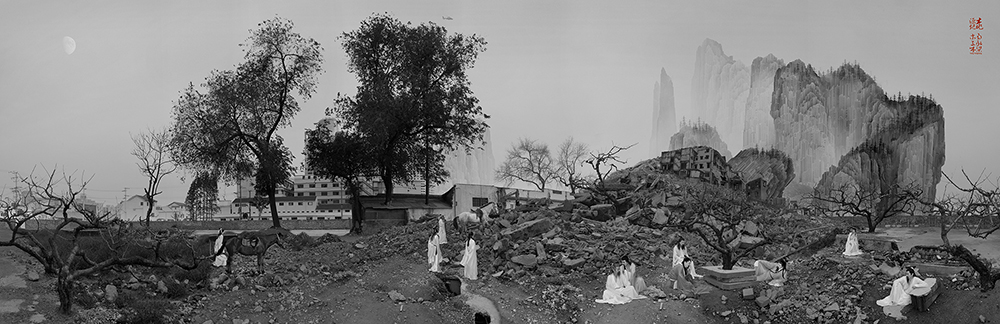
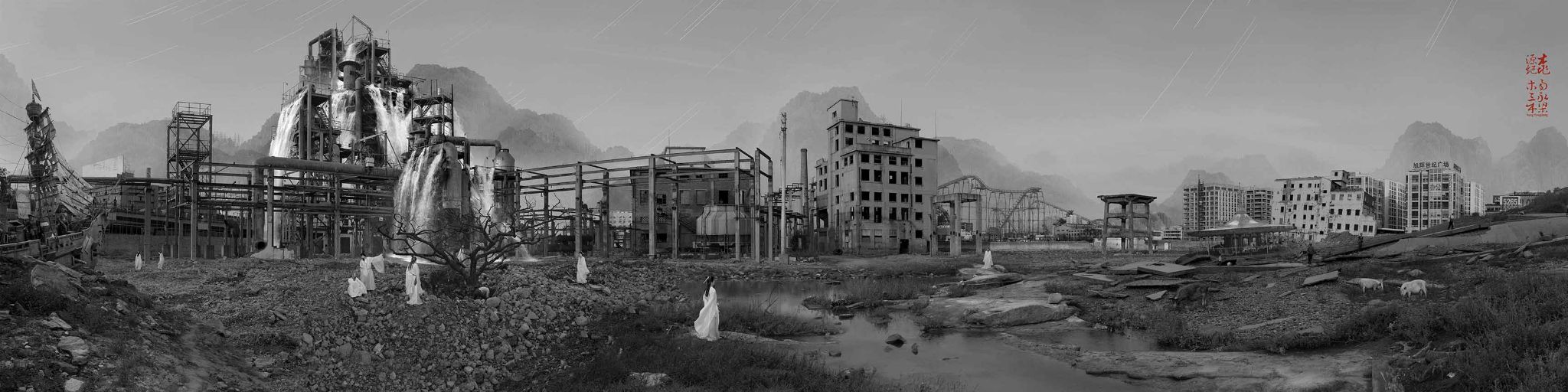
The Peach Blossom Colony (桃花源记)


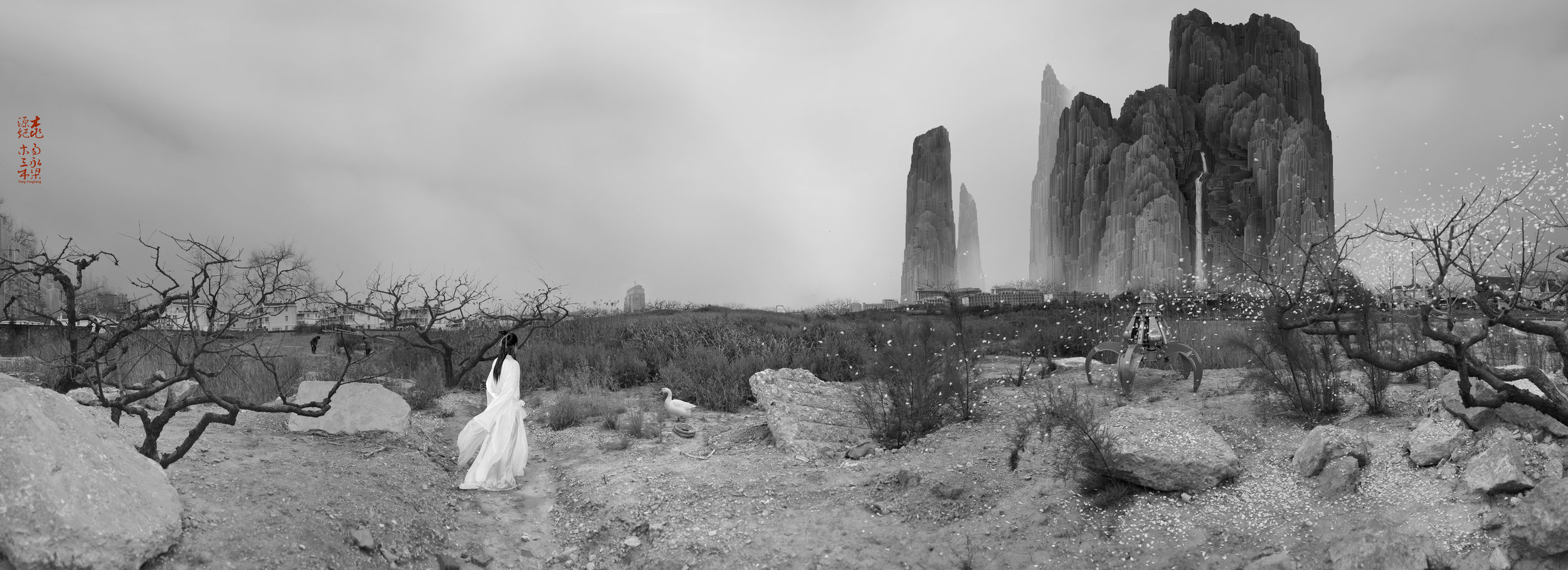
Broken Bridge, 2011, ed. 3, 90 x 260 cm, stampa Epson Ultra Giclée su carta Epson Hot Press Natural

Broken Bridge, 2011, ed. 3, 90 x 260 cm, Epson Ultra Giclee Print on Epson Hot Press Natural


Ci sono momenti in cui ci si ferma davanti a un’opera e ci si rende conto che non si sta semplicemente guardando un’immagine, ma si sta assistendo a un dialogo silenzioso e profondo tra epoche lontane. Questo è l'effetto magnetico che si sperimenta al cospetto del lavoro di Yang Yongliang, uno degli artisti più complessi, colti e celebrati della scena contemporanea internazionale. La sua ricerca non si limita alla superficie della fotografia digitale, ma scava all'interno della memoria storica e culturale, ridefinendo il concetto stesso di paesaggio nell'era moderna. Attraverso una tecnica sublime e una visione filosofica radicale, l'artista mette in scena il dramma del presente con la grazia della pittura classica.


There are moments when one stops in front of an artwork and realizes that they are not merely looking at an image, but witnessing a silent and profound dialogue between distant eras. This is the magnetic effect experienced in the presence of the work of Yang Yongliang, one of the most complex, cultured, and celebrated artists on the international contemporary scene. His research does not limit itself to the surface of digital photography, but digs deep into historical and cultural memory, redefining the very concept of landscape in the modern era. Through a sublime technique and a radical philosophical vision, the artist stages the drama of the present with the grace of classical painting.


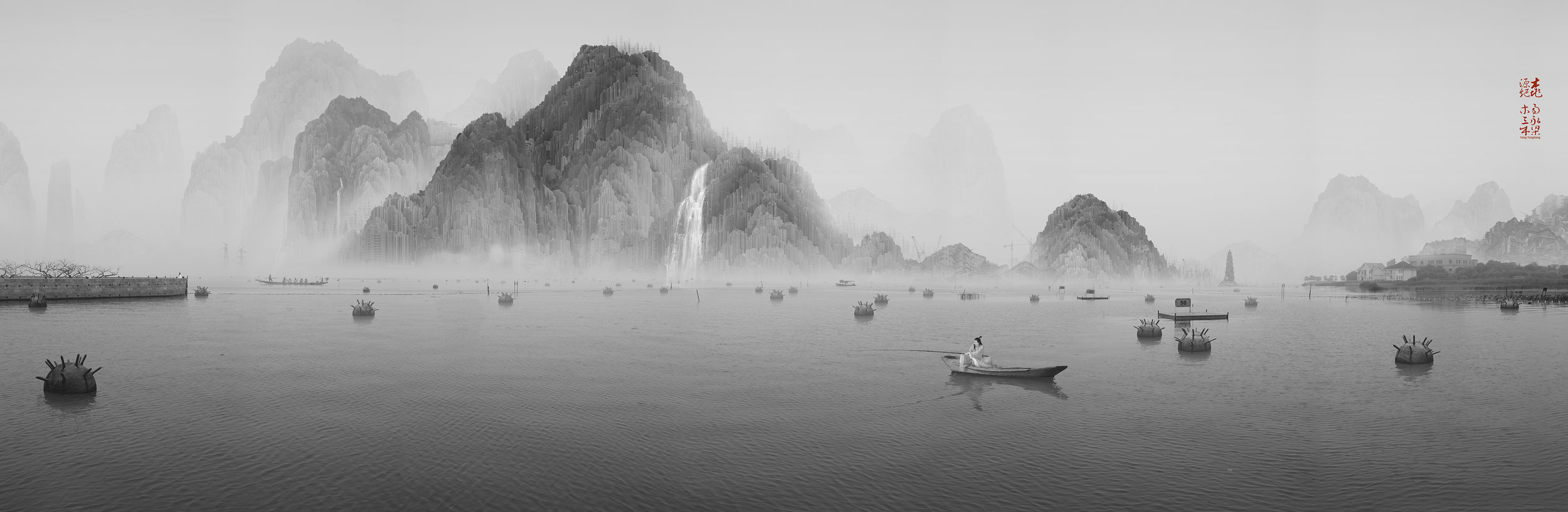
Lonely Angler, 2011, ed. 7, 40 x 112 cm, stampa Epson Ultra Giclée su carta Epson Hot Press Natural

Lonely Angler, 2011, ed. 7, 40 x 112 cm, Epson Ultra Giclee Print on Epson Hot Press Natural


Tra Tradizione e Pixel: Le Radici di un Maestro

Between Tradition and Pixels: The Roots of a Master

Between Tradition and Pixels: The Roots of a MasteBorn in Shanghai in 1980, Yang Yongliang grew up on a unique temporal ridge, where rural and ancient China was suddenly overwhelmed by an unprecedented vertical urbanization. While his hometown transformed before his eyes from an old river district into a megalopolis dominated by mirrors, steel, and concrete, the young artist pursued a rigorous, traditional, and academic training. For years, he studied classical Chinese painting, Shanshui — the sacred and spiritual art of painting "Mountain and Water" — and ancient calligraphy under the guidance of the great master Yang Yang. This dual identity, characterized by an eye trained in the rarefied poetry of the Song and Yuan dynasty masters and a body immersed in the deafening noise of 21st-century Shanghai's construction sites, constitutes the cornerstone of his entire production. Yang Yongliang realized that the traditional brush and ink were no longer sufficient to document and process the trauma of the present. He thus made a revolutionary gesture: he replaced water with digital photography and rice paper with the computer screen, treating pixels and digital files exactly as if they were drops of black ink to be calibrated on the page.


Nato a Shanghai nel 1980, Yang Yongliang è cresciuto su un crinale temporale unico, in cui la Cina rurale e millenaria veniva improvvisamente travolta da un’urbanizzazione verticale senza precedenti storici. Mentre la sua città natale si trasformava sotto i suoi occhi da antico distretto fluviale a megalopoli dominata da specchi, acciaio e cemento, il giovane artista portava avanti una formazione rigorosa, tradizionale e accademica. Ha studiato per anni la pittura classica cinese, lo Shanshui — l'arte sacra e spirituale di dipingere la "Montagna e l'Acqua" — e la calligrafia antica sotto la guida del grande maestro Yang Yang. Questa sua doppia identità, caratterizzata da un occhio educato alla poesia rarefatta dei maestri delle dinastie Song e Yuan e da un corpo immerso nel rumore assordante dei cantieri della Shanghai del XXI secolo, costituisce la chiave di volta di tutta la sua produzione. Yang Yongliang ha intuito che il pennello e l'inchiostro tradizionali non erano più sufficienti per documentare e metabolizzare il trauma del presente. Ha così compiuto un gesto rivoluzionario: ha sostituito l'acqua con la fotografia digitale e la carta di riso con lo schermo del computer, trattando i pixel e i file digitali esattamente come se fossero gocce di inchiostro nero da calibrare sul foglio.


Born in Shanghai in 1980, Yang Yongliang grew up on a unique temporal ridge, where rural and ancient China was suddenly overwhelmed by an unprecedented vertical urbanization. While his hometown transformed before his eyes from an old river district into a megalopolis dominated by mirrors, steel, and concrete, the young artist pursued a rigorous, traditional, and academic training. For years, he studied classical Chinese painting, Shanshui — the sacred and spiritual art of painting "Mountain and Water" — and ancient calligraphy under the guidance of the great master Yang Yang. This dual identity, characterized by an eye trained in the rarefied poetry of the Song and Yuan dynasty masters and a body immersed in the deafening noise of 21st-century Shanghai's construction sites, constitutes the cornerstone of his entire production. Yang Yongliang realized that the traditional brush and ink were no longer sufficient to document and process the trauma of the present. He thus made a revolutionary gesture: he replaced water with digital photography and rice paper with the computer screen, treating pixels and digital files exactly as if they were drops of black ink to be calibrated on the page.


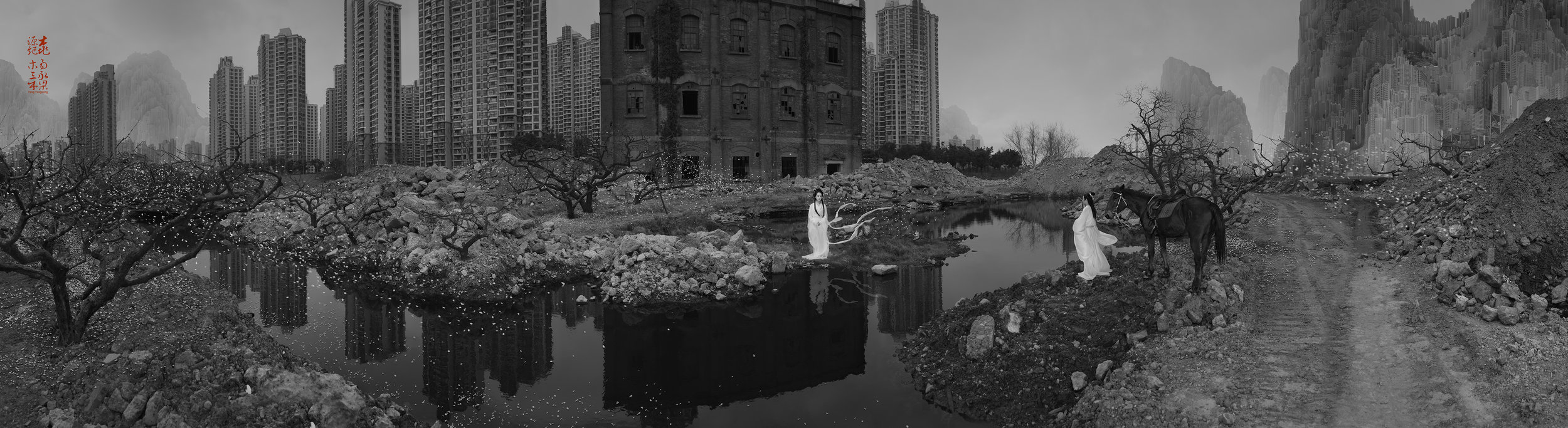
Ode to the Goddess of Luo River, 2011, ed. 3, 95 x 350 cm, stampa Epson Ultra Giclée su carta Epson Hot Press Natural

Ode to the Goddess of Luo River, 2011, ed. 3, 95 x 350 cm, Epson Ultra Giclee Print on Epson Hot Press Natural


Il Mito di "Peach Blossom Colony": Il Paradiso Perduto

The Myth of "Peach Blossom Colony": The Paradise Lost


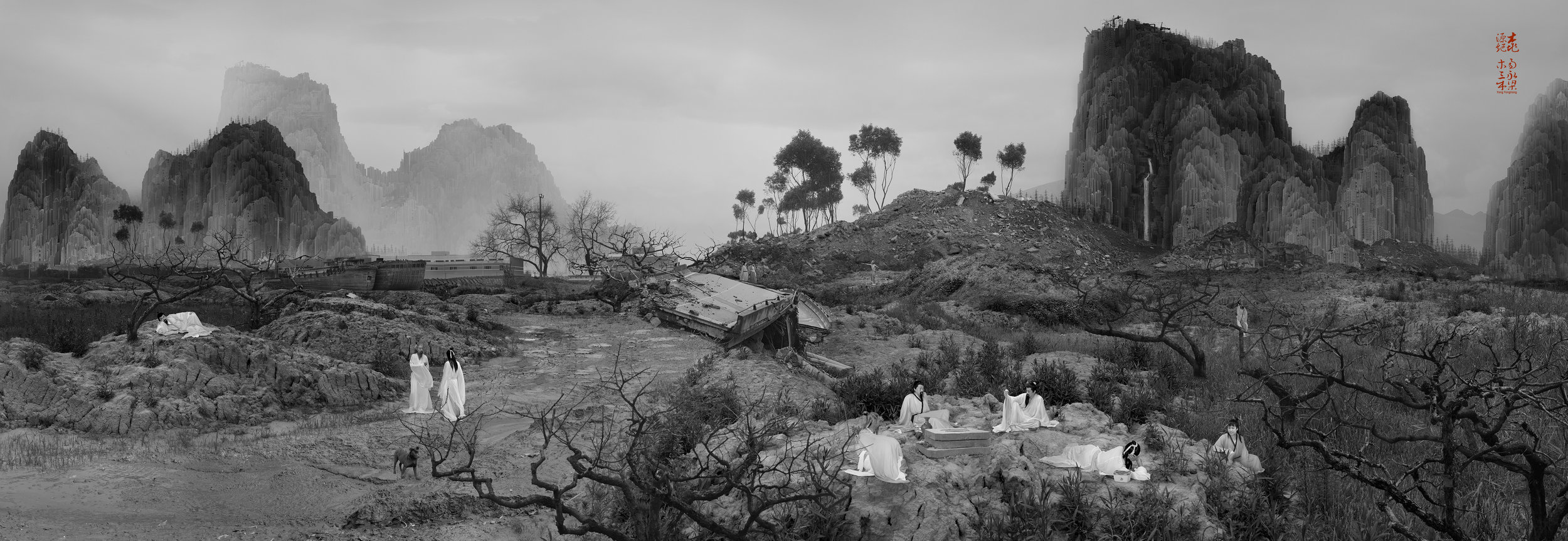
Il celebre progetto Peach Blossom Colony, realizzato nel 2011, affonda le sue radici concettuali in un caposaldo della letteratura classica cinese, The Peach Blossom Spring, scritto nel 421 d.C. dal poeta Tao Yuanming. Quel testo antico narrava la storia senza tempo di un pescatore che, camminando lungo un sentiero costeggiato da alberi di pesco in fiore, scopriva per caso l'ingresso di una grotta nascosta. Al di l' di quell'antro si apriva un’utopia geografica e sociale: un villaggio rurale protetto dove gli abitanti vivevano in totale armonia con i cicli della natura, del tutto ignari delle guerre, dei sanguinosi cambi di dinastie e dei tumulti del mondo esterno. Una vera e propria via di fuga dorata dalla pesantezza della realtà storica. Yang Yongliang riprende questo mito fondativo e lo traspone nell'era dell'Antropocene, ponendo allo spettatore una domanda tanto poetica quanto spietata: cosa è rimasto di quell'utopia letteraria oggi? Dove può rifugiarsi lo spirito dell'uomo contemporaneo quando persino la natura più remota e sacra è stata colonizzata dal cemento, dalla speculazione e dal profitto industriale? La colonia di cui parla l'artista non è più un rifugio di pace, ma un territorio occupato e stravolto dalle logiche della produzione di massa.


The celebrated project Peach Blossom Colony, created in 2011, sinks its conceptual roots into a cornerstone of classical Chinese literature, The Peach Blossom Spring, written in 421 AD by the poet Tao Yuanming. That ancient text told the timeless story of a fisherman who, walking along a path lined with blossoming peach trees, accidentally discovered the entrance to a hidden cave. Beyond that cavern opened a geographical and social utopia: a protected rural village where the inhabitants lived in total harmony with the cycles of nature, entirely unaware of wars, bloody changes of dynasties, and the turmoils of the outside world. A true golden escape from the weight of historical reality. Yang Yongliang takes up this foundational myth and transposes it into the era of the Anthropocene, asking the viewer a question as poetic as it is ruthless: what is left of that literary utopia today? Where can the spirit of contemporary man find refuge when even the most remote and sacred nature has been colonized by concrete, speculation, and industrial profit? The colony the artist speaks of is no longer a haven of peace, but a territory occupied and overturned by the logic of mass production.


Peach Blossom Collony, 2011, ed. 3, 85 x 234 cm, stampa Epson Ultra Giclée su carta Epson Hot Press Natural

Peach Blossom Collony, 2011, ed. 3, 85 x 234 cm, Epson Ultra Giclee Print on Epson Hot Press Natural


L'Illusione Ottica e il Peso del Dettaglio Urbano

The Optical Illusion and the Weight of Urban Detail


L'esperienza visiva davanti a quest'opera si configura come un esercizio di pura seduzione intellettuale basato su un contrasto formale sbalorditivo. Da lontano, l'immagine rapisce lo sguardo per il suo lirismo quasi mistico e senza tempo. Si vedono montagne maestose che emergono da nebbie impalpabili, cascate che scendono silenziose tra i picchi rocciosi, alberi secolari che si arrampicano sui costoni e specchi d'acqua immobili che invitano alla meditazione più profonda. L'atmosfera generale è rarefatta, classica, solenne. Tuttavia, quando ci si avvicina a pochi centimetri dalla superficie della stampa fine art, avviene lo shock visivo che ha reso l'artista un punto di riferimento in tutto il mondo. Quella che da lontano appariva come roccia millenaria modellata dal vento si rivela essere una stratificazione spaventosa e brulicante di grattacieli identici, piloni elettrici, viadotti autostradali, ciminiere e complessi industriali. La nebbia poetica che avvolge le valli non è vapore naturale, ma la cappa pesante dello smog che soffoca le odierne metropoli asiatiche. I rami degli alberi si confondono con le braccia meccaniche delle gru da cantiere, e i sentieri un tempo percorsi dai vecchi saggi sono ora solcati da camion, ruspe e macerie. L'artista non ricorre all'intelligenza artificiale; fotografa personalmente per mesi ogni singolo dettaglio, ogni cantiere e ogni edificio della Cina in trasformazione, per poi assemblare meticolosamente migliaia di scatti in un collage digitale monumentale la cui gestazione richiede mesi di straordinaria perizia tecnica.


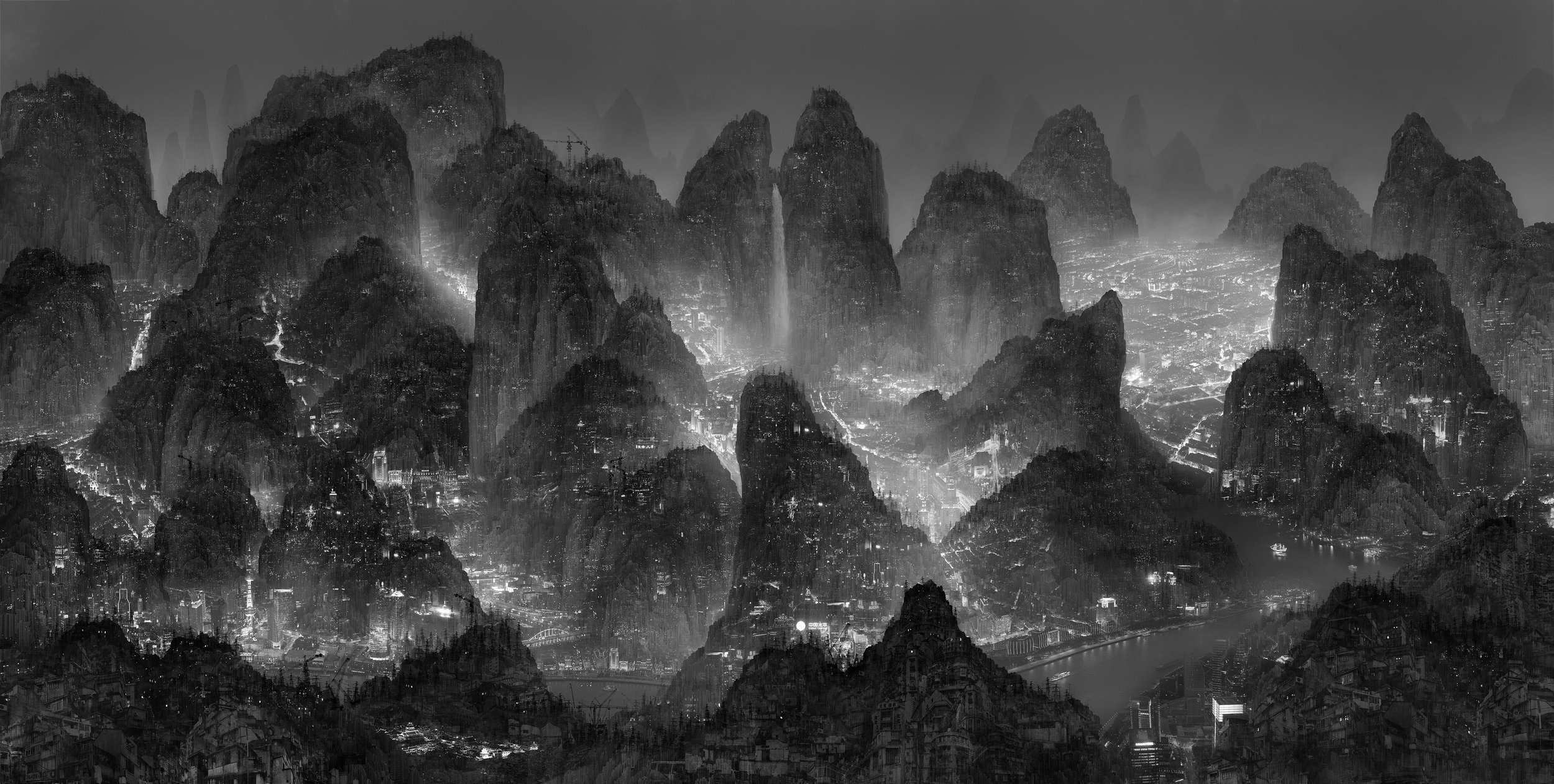
The visual experience in front of this artwork takes the form of an exercise in pure intellectual seduction based on a stunning formal contrast. From a distance, the image captures the gaze with its almost mystical and timeless lyricism. One sees majestic mountains emerging from impalpable mists, waterfalls descending silently between rocky peaks, ancient trees climbing the ridges, and still mirrors of water inviting deep meditation. The general atmosphere is rarefied, classical, and solemn. However, when one approaches within a few centimeters of the fine art print surface, the visual shock that has made the artist a global reference occurs. What appeared from afar as ancient rock shaped by the wind reveals itself to be a frightening and teeming stratification of identical skyscrapers, power pylons, highway viaducts, smokestacks, and industrial complexes. The poetic mist enveloping the valleys is not natural vapor, but the heavy shroud of smog suffocating modern Asian metropolises. The branches of the trees blend with the mechanical arms of construction cranes, and the paths once walked by ancient sages are now furrowed by trucks, bulldozers, and debris. The artist does not resort to artificial intelligence; he personally photographs every single detail, construction site, and building of China in transformation for months, meticulously assembling thousands of shots into a monumental digital collage that requires months of extraordinary technical expertise.


Enjoyment Of The Moonlight, 2011, ed. 3, 82 x 225 cm, stampa Epson Ultra Giclée su carta Epson Hot Press Natural

Enjoyment Of The Moonlight, 2011, ed. 3, 82 x 225 cm, Epson Ultra Giclee Print on Epson Hot Press Natural


Una Critica Silenziosa e il Consenso Istituzionale

A Silent Critique and Institutional Acclaim


Il successo planetario di Yang Yongliang risiede proprio in questa sua straordinaria capacità di non urlare e di non cedere a una protesta ecologica banale o didascalica. La sua è una critica silenziosa, condotta con le armi della grande bellezza e del rigore compositivo. Attira lo spettatore attraverso l'armonia rassicurante della tradizione e poi lo mette brutalmente davanti allo specchio della modernità, mostrando come il progresso cieco stia esaurendo non solo il paesaggio fisico, ma l'anima spirituale di un intero popolo. Oggi, l'importanza storica del lavoro di Yang Yongliang è ampiamente sancita dalle più importanti istituzioni museali del globo, che hanno inserito le sue visioni digitali all'interno delle loro collezioni permanenti. Le sue opere sono entrate a far parte di templi dell'arte del calibro del British Museum di Londra, del Metropolitan Museum of Art di New York, del Museum of Fine Arts di Boston, della Art Gallery of New South Wales a Sydney e del prestigioso M+ Museum di Hong Kong. Questo immenso riconoscimento istituzionale posiziona l'artista stabilmente tra i grandi maestri contemporanei che hanno saputo utilizzare il mezzo tecnologico per ridefinire i confini della fotografia d'avanguardia e della videoarte.


The global success of Yang Yongliang lies precisely in this extraordinary ability not to shout and not to yield to a banal or didactic ecological protest. His is a silent critique, conducted with the weapons of great beauty and compositional rigor. He attracts the viewer through the reassuring harmony of tradition and then brutally places them in front of the mirror of modernity, showing how blind progress is exhausting not only the physical landscape but the spiritual soul of an entire people. Today, the historical importance of Yang Yongliang's work is widely sanctioned by the world's most prominent museum institutions, which have included his digital visions within their permanent collections. His works have become part of art temples of the caliber of the British Museum in London, the Metropolitan Museum of Art in New York, the Museum of Fine Arts in Boston, the Art Gallery of New South Wales in Sydney, and the prestigious M+ Museum in Hong Kong. This immense institutional recognition firmly positions the artist among the great contemporary masters who have successfully used the technological medium to redefine the boundaries of avant-garde photography and video art.


The landscape without Night, 2013 ed. 7, 105 x 210 cm, Stampa Epson Ultra Giclée su carta Hanhemuhle Photo Rag Baryta Fineart

The landscape without Night, 2013, ed. 7, 105 x 210 cm, Epson Ultra Giclee print on Hanhemuhle Photo Rag Baryta Fineart Paper


Un Dialogo Aperto con la Visione dell'Artista

An Open Dialogue with the Artist's Vision


I grandi artisti si riconoscono dalla capacità di rendere visibile l'invisibile, e Yang Yongliang ci riesce mostrando le macerie del nostro tempo travestite da paradiso incontaminato. Peach Blossom Colony resta un monito visivo di rara potenza, che ricorda come ogni centimetro di cemento gettato nel mondo rischi di cancellare per sempre un pezzo del nostro giardino interiore. Per coloro che desiderano approfondire l'universo dell'artista e sono interessati a valutare le sue opere e la carriera che svolge, la Galleria mette a disposizione la propria esperienza: è possibile richiedere il catalogo delle opere disponibili.


Great artists are recognized by their ability to make the invisible visible, and Yang Yongliang succeeds by showing the ruins of our time disguised as an pristine paradise. Peach Blossom Colony remains a visual warning of rare power, reminding us how every centimeter of concrete poured into the world risks erasing a piece of our inner garden forever. For those who wish to delve deeper into the artist's universe and are interested in evaluating his works and the career he pursues, the Gallery offers its expertise: it is possible to request the catalog of available works.


Appreciation of the waterfall, 2011, ed. 5, 52 x 211 cm, stampa Epson Ultra Giclée su carta Epson Hot Press Natural

Appreciation of the waterfall, 2011, ed. 5, 52 x 211 cm, Epson Ultra Giclee Print on Epson Hot Press Natural


MC2GALLERY


- PROGRAM -


SETTEMBRE  |  SEPTEMBER 2026

BASTIAAN WOUDT SOLO SHOW

MC2GALLERY, Via Maroncelli 7 - Milan, Italy


ART-VERONA

9-11 OTTOBRE / OCTOBER

Verona Fiere - Italy


mc2gallery Italy - Montenegro

info@mc2.gallery
www.mc2.gallery
www.artsy.net/mc2gallery
tel: +382 69100110
mobile MNE: +382 69100104
mobile ITA: +39 3396632187