Showing posts with label fineartmagazineblog.blogspot.com. Show all posts

Tuesday, April 14, 2026

White Room Gallery Opening Shake It Up!!! April 10-Mat10, 2026, Reception April 25 5-7PM.

Hi All Fine r Magazine Blog readers, not traveling to Europe??? Skip Catch what's important in a Visit to The Hamptons an European Alternative for summer fun!!! Catch the opening at the White Room Gallery, Jamie Forbes, Publisher Fineartmagazineblog.blogspot.com, and sunstormfineartmagazine.com

THE WHITE ROOM GALLERY

Present

SHAKE IT UP

APRIL 10th - MAY 10th  2026

OPENING RECEPTION APRIL 25TH 5-7PM


     DAVID BENDER

CURATORS QUOTE

Disruption.  Reorganization.  A move to surprise, unsettle.  Or, in artistic terms, exactly that.  

The abstract artist does not look at a canvas to recreate something seen but to reinterpret a confluence of things imagined.   Disruption is integral to the art sojourn.  Cubism challenged Impressionism and Dada and Surrealism moved the needle further until Abstract Expressionism arrived with less focus on the subconscious turmoil and more on the emotional intent.  The abstract artist presents the viewer with an invitation to ‘see what I see’ or ‘feel what I feel.’ 

Being our first spring exhibit, Shake It Up, seemed the perfect catalyst to encourage all to bloom.  Shake off any of those winter blues and re-ignite your passions.  As Picasso said, ‘Art washes away from the soul the dust of everyday life. 


Aside from the two abstract artists featured in the exhibit, Shake It Up incorporates graffiti images that in their inherent inception and intent is to shake things up, alongside mixed media creations that juxtapose images in unexpected and extraordinary ways.  Diamond dusted icons make an appearance because, as the endless tabloids exposed, they always shook things up.   And then there are the photographs of legends who rattled the cage so loud it was deafening.  But Shake It Up could not be complete without female-centric paintings that weave striking portraits with evocative narratives.  


There is a certain beauty in the quiet but how lovely to have an alternative.


PAUL D. FUENTES


 KAT O’NEILL


NELSON DE LA NUEZ


ARTISTS INCLUDE 

David Bender

Kat O’Neill

Paul D. Fuentes

Robert Georgio

Rich Bollinger

And more….


PERMANENT COLLECTION INCLUDES

Russell Young

Nelson De La Nuez

Craig Alan

Greg Lotus

And more

3 Railroad Avenue

East Hampton, NY 11937

www.thewhiteroom.gallery

OPEN  12-5pm

Friday -Sunday

Press inquiries: Andrea 

art4thewhiteroomgallery@gmail.com

917.526.2767 

631-237-1481


Andrea McCafferty + Kat O'Neill
Owners+Directors
The White Room Gallery
#whiteroomgallery#sunstormfineartmagazine.com.#fineartmagazineblog.blogspot.com#artfunlongisland#artfunforever,

Hi All, Eco-Art Awareness!!! Seatuck Conservation on Long Island up date belwo

Earth Month Donation Match

Celebrate Earth Month with twice the impact. Thanks to our generous donors, every gift will be matched dollar-for-dollar, up to $10,000. That means you can double your support for the protection and restoration of Long Island’s wildlife and habitats. 


Your donation helps advance river conservation, protect birds and other wildlife, restore native plants, and power the surveys and science that guide our work in the field.

Volunteer with Us

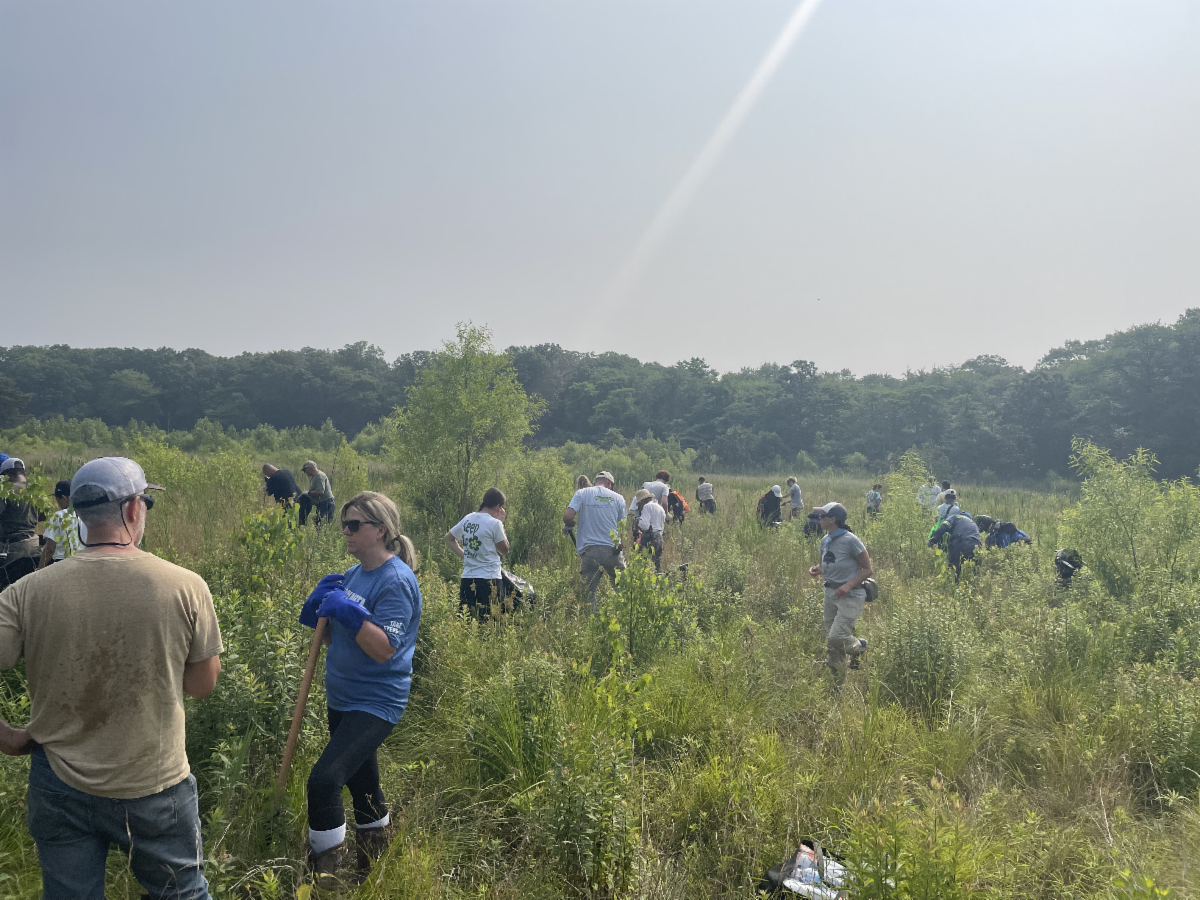
West Brook Phragmites Pull

🪏April 22, 2026, 9 a.m. - 1p.m. (Earth Day!)


Our “Phrag Fight” at West Brook continues as we work to protect the natural restoration unfolding at the former dam site in Bayard Cutting Arboretum. 


As the stream returns to its historic channel, volunteers are helping safeguard native plant communities taking root along its banks.


Please note registration is required.

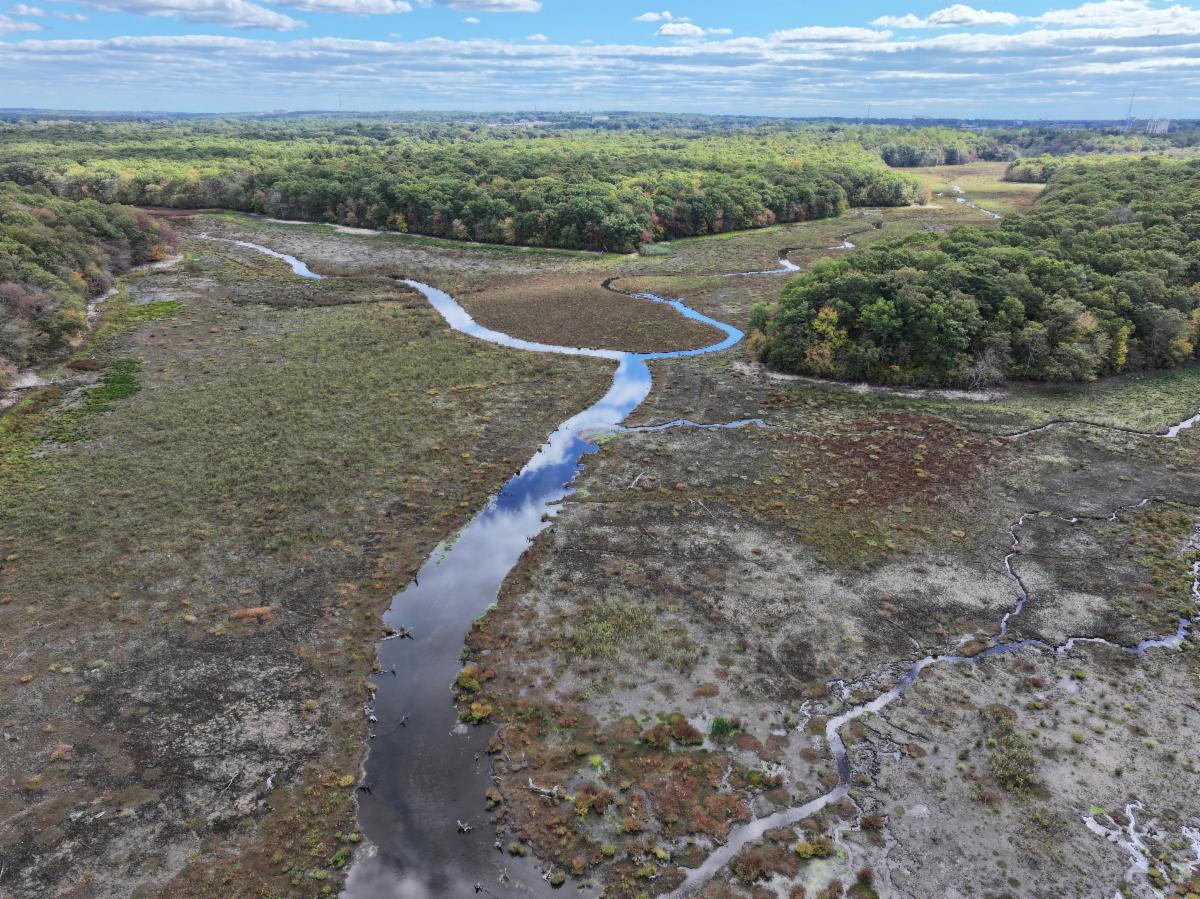
Help Capture the Beauty of Blydenburgh

We believe it’s important to capture the incredible transformation taking place on the Nissequogue River in Blydenburgh County Park, and we'd love for you to join the effort! Share your photos, videos, and artistic interpretations of the river’s and help tell its evolving story. 


Selected images and artworks will be featured in our The Beauty of Blydenburgh photo and art series.


Proud Member

Facebook  Instagram 


#ecoartawareness#seatuckconservationlongisland#fineartmagazinebog.blogspot.com


Sceners Gallery exhibits in association with Almine Rech Gallery " Forms & Temtaptations" 13 April-13 June , Where Paris!!!

"FORMS AND TEMPTATIONS"

13 APRIL - 13 JUNE 2026

88, Boulevard de Menilmontant, 75020 Paris

Chair Rotschild, Pierre Legrain, 1920, France
Screen Test, Allen Jones, 2016, UK
Sceners Gallery X Allen Jones (Almine Rech)

© Jan Liégeois

From 13 April to 13 June, Sceners Gallery presents ‘Form and Temptation’, in collaboration with the Almine Rech Gallery, bringing together works by Allen Jones, Ruhlmann, Bugatti, Legrain, Moser and Dunand. The exhibition creates a dialogue between early 20th-century design and the pop aesthetic of the 1960s. It explores a pivotal moment when objects were no longer confined to their function or mere decorative role. Gradually, modernist designers began to conceive of objects as spaces of freedom, where form, materials and proportions took on as much importance as function. 

In the 1960s, this trend became more radical with artists such as Allen Jones. Against a backdrop of cultural liberation, art opened up to the body, desire and popular culture. Objects became vehicles for projection, sometimes ambiguous or provocative,  where body and artefact became indistinguishable. 
The exhibition thus brings together two dynamics: on the one hand, objects gradually freed from their function; on the other, works that question their utility from the moment of their conception. Between these two approaches, a space of tension is created where form becomes a terrain of expression, fiction and desire, transforming the way we perceive objects.

Hommage au cubisme, Jean Dunand, 1940, France
Red refrigerator, Allen Jones, 2018, UK
Sceners Gallery X Allen Jones (Almine Rech)

© Jan Liégeois

#scenersgallery,#alminerechgallery, #fineartmagazineblog.blogspot.com,#sunstormfineartmagazine.com.#artfunforever#parisartfun 
 

Cabinet, Carlo Bugatti, 1900, Italie
Cover story, Allen Jones, 2021, UK
Sceners Gallery X Allen Jones (Almine Rech)

© Jan Liégeois


IN the Bronx??/ Catch the Lehman College Art Gallery Curator's Tour, Wednesday pril 15th, 4PM 250 Bedford Park Rd. This look like good fun


Curator's Tour

FREE TICKETS REQUIRED


Join us for a Curator's Tour of our current exhibition, The Painted Word: Text, Gesture, and Expression in Contemporary Art, with Bartholomew Bland. 


Wednesday, April 15 at 4:00 PM


Click Here for Free Tickets - Wednesday, April 15

Lehman College Art Gallery’s exhibitions and programs are made possible through generous support from the New York State Council on the Arts with the support of the Office of the Governor and the New York State Legislature; the New York City Department of Cultural Affairs; the NYC Department of Cultural Affairs Initiatives through New York City Council Discretionary Awards; City Council Members Eric Dinowitz, Diana Ayala, Kevin C. Riley, Oswald Feliz and Kristy Marmorato, the Milton and Sally Avery Arts Foundation, Jarvis and Constance Doctorow Family Foundation, Pierre and Tana Matisse Foundation, Edith and Herbert Lehman Foundation, Jacque and Natasha Gelman Foundation, The New Yankee Stadium Community Benefits Fund and the Charina Foundation.

 Website
Facebook  Instagram  

Lehman College Art Gallery | 250 Bedford Park Blvd. West | Bronx, NY 10468 US

#lehmancollegeart gallery,#fineartmagazineblog.blogspot.com,#sunstormfineartmagazine.com.,#artfunforever,

Monday, April 13, 2026

MC2 Gallery Italy, a look at Manbertos Tentinso assesment of masterworks reworked thpugh his pallet.


FOCUS


LAMBERTO TEOTINO

(ITALY, 1970)


1816

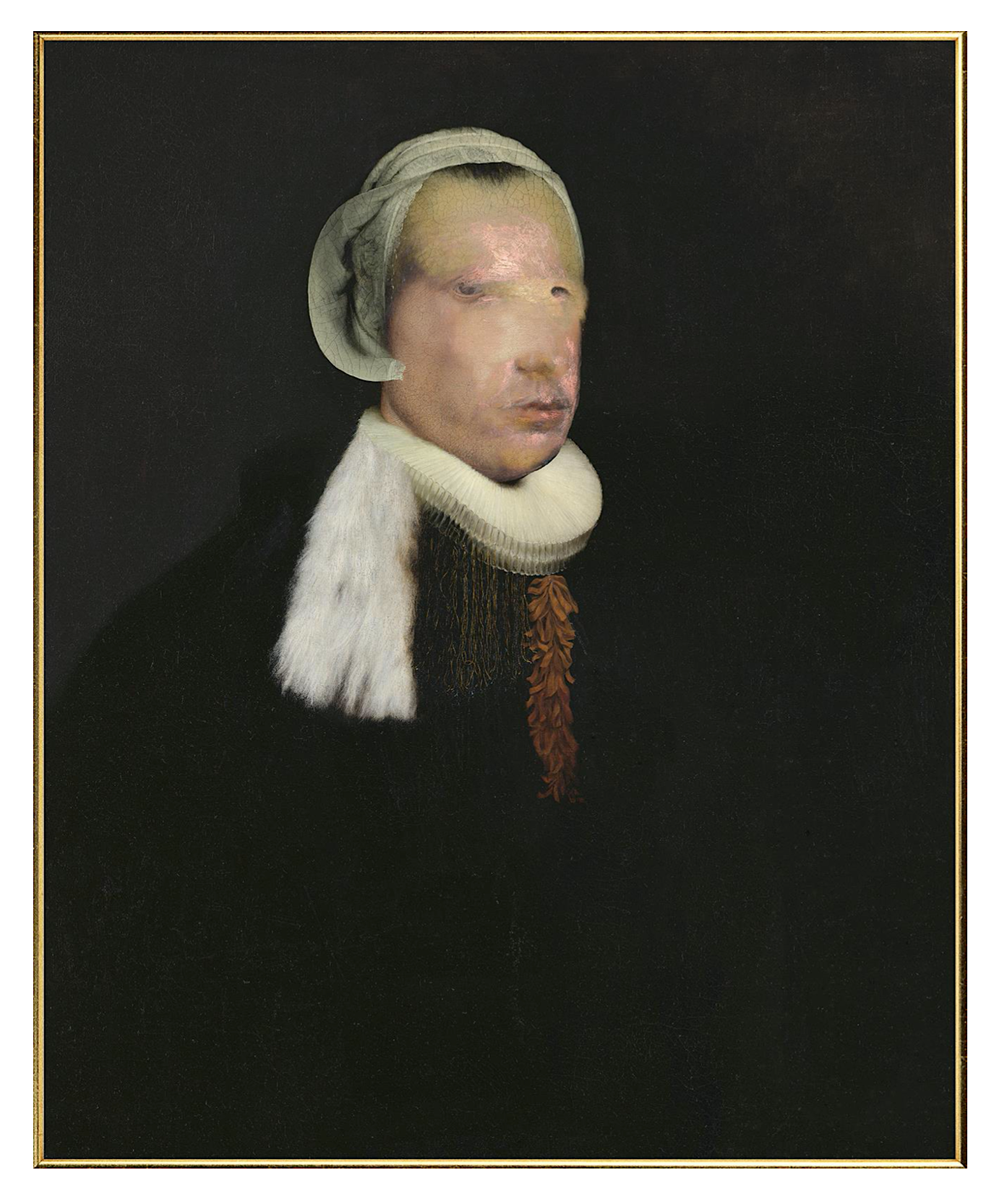
Mary Shelley, 2017 - Stampa a pigmenti d'archivio su carta di cotone Hahnemuhle, la cornice in foglia d'oro, 80 x 66,5 cm - ed. 5
Mary Shelley, 2017 - Archival pigment print on Hahnemuhle cotton paper, gold leaf frame,

80 x 66.5 cm - ed. 5


L’anno senza estate: una crisi di sopravvivenza continentale

Nel panorama dell'arte contemporanea, raramente un progetto racchiude in sé una tale densità storica e atmosferica come "1816". Per comprendere l’operazione di Lamberto Teotino, dobbiamo prima calarci nel clima di quell’anno, definito dallo storico John D. Post come "l'ultima grande crisi di sopravvivenza nel mondo occidentale". A causa dell’eruzione del vulcano Tambora, una coltre di cenere avvolse il pianeta, determinando quella che oggi ricordiamo come la "piccola era glaciale". Fu un anno senza estate. Un tempo sospeso, dove la luce del sole venne filtrata da detriti vulcanici, trasformando i cieli in visioni crepuscolari — le stesse che avrebbero ispirato i paesaggi apocalittici di William Turner — e costringendo l'umanità a un isolamento forzato. È in questo scenario di raccolti distrutti e nevicate estive che la letteratura ha partorito i suoi incubi più persistenti: Mary Shelley e John Polidori, chiusi nelle loro stanze, gareggiavano a chi avrebbe scritto la storia più spaventosa, dando vita a Frankenstein e Il Vampiro. Teotino sceglie questo crocevia della storia per operare la sua personale indagine sul confine tra l'esistente e l'immaginario, tra il reperto e l'invenzione.


The year without summer: a continental survival crisis

In the landscape of contemporary art, rarely does a project encapsulate such historical and atmospheric density as "1816". To understand Lamberto Teotino’s work, we must first immerse ourselves in the climate of that year, defined by historian John D. Post as "the last great survival crisis in the Western world." Due to the eruption of Mount Tambora, a blanket of ash engulfed the planet, leading to what we now remember as the "Little Ice Age." It was the year without a summer. A suspended time, where sunlight was filtered through volcanic debris, transforming the skies into twilight visions—the same that would inspire the apocalyptic landscapes of William Turner—and forcing humanity into a state of forced isolation. It was within this scenery of destroyed harvests and summer snowfalls that literature birthed its most persistent nightmares: Mary Shelley and John Polidori, confined to their rooms, competed to write the most terrifying story, eventually giving life to Frankenstein and The Vampyre. Teotino chooses this crossroads of history to conduct his personal investigation into the boundary between the existing and the imaginary, between the artifact and the invention.


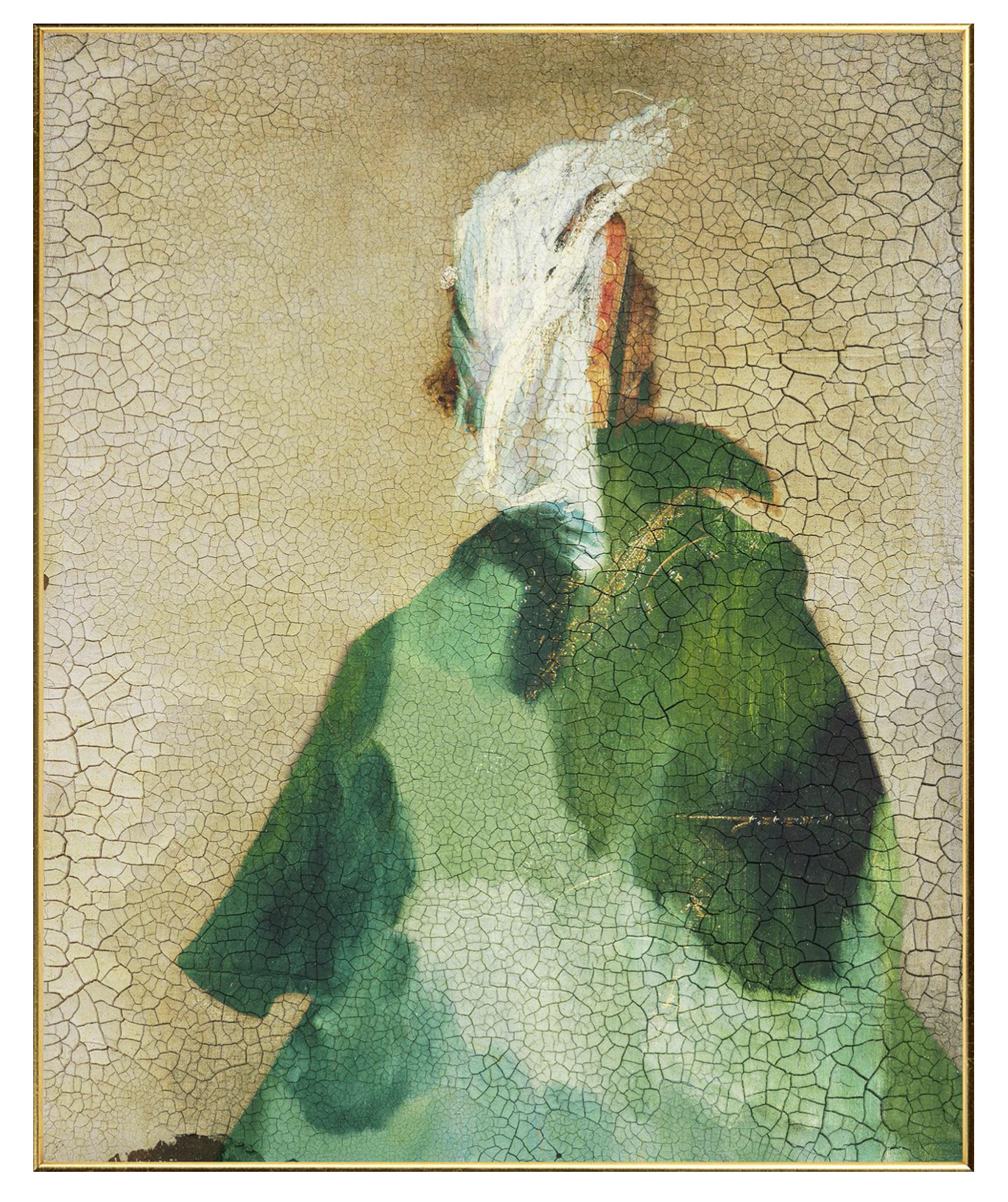
Amplefort, 2017 - Stampa a pigmenti d'archivio su carta di cotone Hahnemuhle, la cornice in foglia d'oro, 80 x 66,5 cm - ed. 5
Amplefort, 2017 - Archival pigment print on Hahnemuhle cotton paper, gold leaf frame,

80 x 66.5 cm - ed. 5


Un dipinto senza materia, una fotografia senza scatto

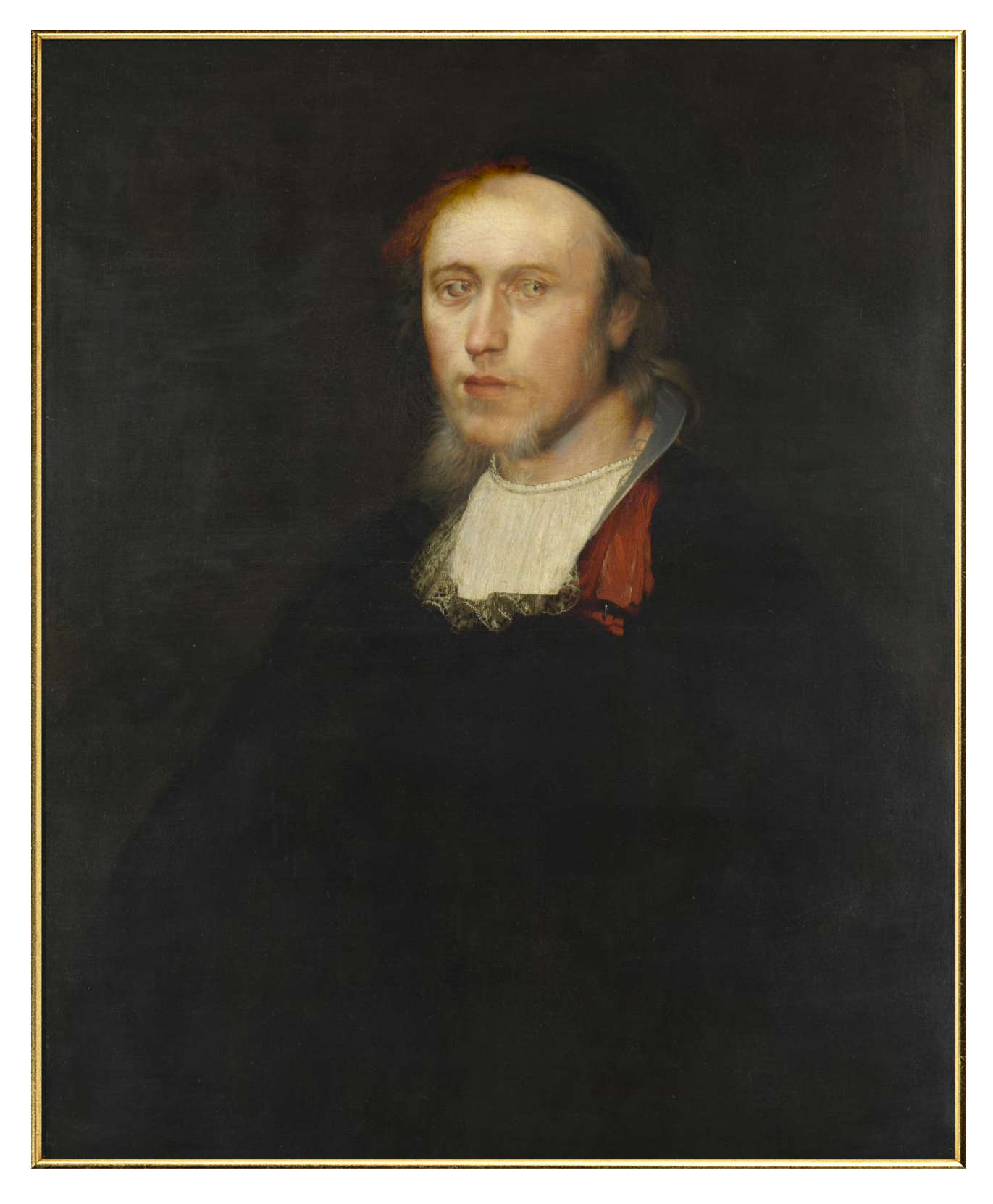
Il progetto 1816 si fonda su un paradosso ontologico che scardina le definizioni tradizionali di genere artistico. Teotino non parte dalla realtà fenomenica, ma dal recupero dell'archivio digitale. L'artista ha setacciato il web alla ricerca di ritratti ad olio su tele pittoriche antiche del XIX secolo, tele che portano su di sé i segni del tempo: crepe, mancanze, ossidazioni e ferite della materia. La sua operazione è di natura quasi chirurgica: egli non restaura il dipinto, ma ne estrapola i dettagli dalle parti rovinate, analizzandoli e rielaborandoli digitalmente attraverso un sistema di sintesi che fonde la pittura con la stampa fotografica artistica. Il risultato finale è un cortocircuito visivo di straordinaria potenza: un dipinto senza materia e una fotografia senza scatto. Siamo di fronte a un’opera senza materia perché la fisicità della tela e dell'olio viene sublimata nella bidimensionalità della stampa, perdendo lo spessore del pigmento ma mantenendone l'anima cromatica. Al contempo, è una fotografia senza scatto poiché l'immagine non nasce dall'occhio che guarda attraverso un obiettivo, ma da un processo di decostruzione e post-produzione di un'opera preesistente.

A painting without matter, a photograph without a shot

The 1816 project is based on an ontological paradox that subverts traditional definitions of artistic genres. Teotino does not begin with phenomenal reality, but with the recovery of the digital archive. The artist scoured the web in search of oil portraits on ancient pictorial canvases from the 19th century—canvases that bear the marks of time: cracks, gaps, oxidation, and wounds of the matter. His operation is almost surgical in nature: he does not restore the painting but extrapolates details from the damaged parts, analyzing and digitally reworking them through a synthesis system that merges painting with artistic photographic printing. The final result is a visual short-circuit of extraordinary power: a painting without matter and a photograph without a shot. We are faced with a work without matter because the physicality of the canvas and oil is sublimated into the two-dimensionality of the print, losing the thickness of the pigment while retaining its chromatic soul. At the same time, it is a photograph without a shot because the image does not originate from an eye looking through a lens, but from a process of deconstruction and post-production of a pre-existing work.

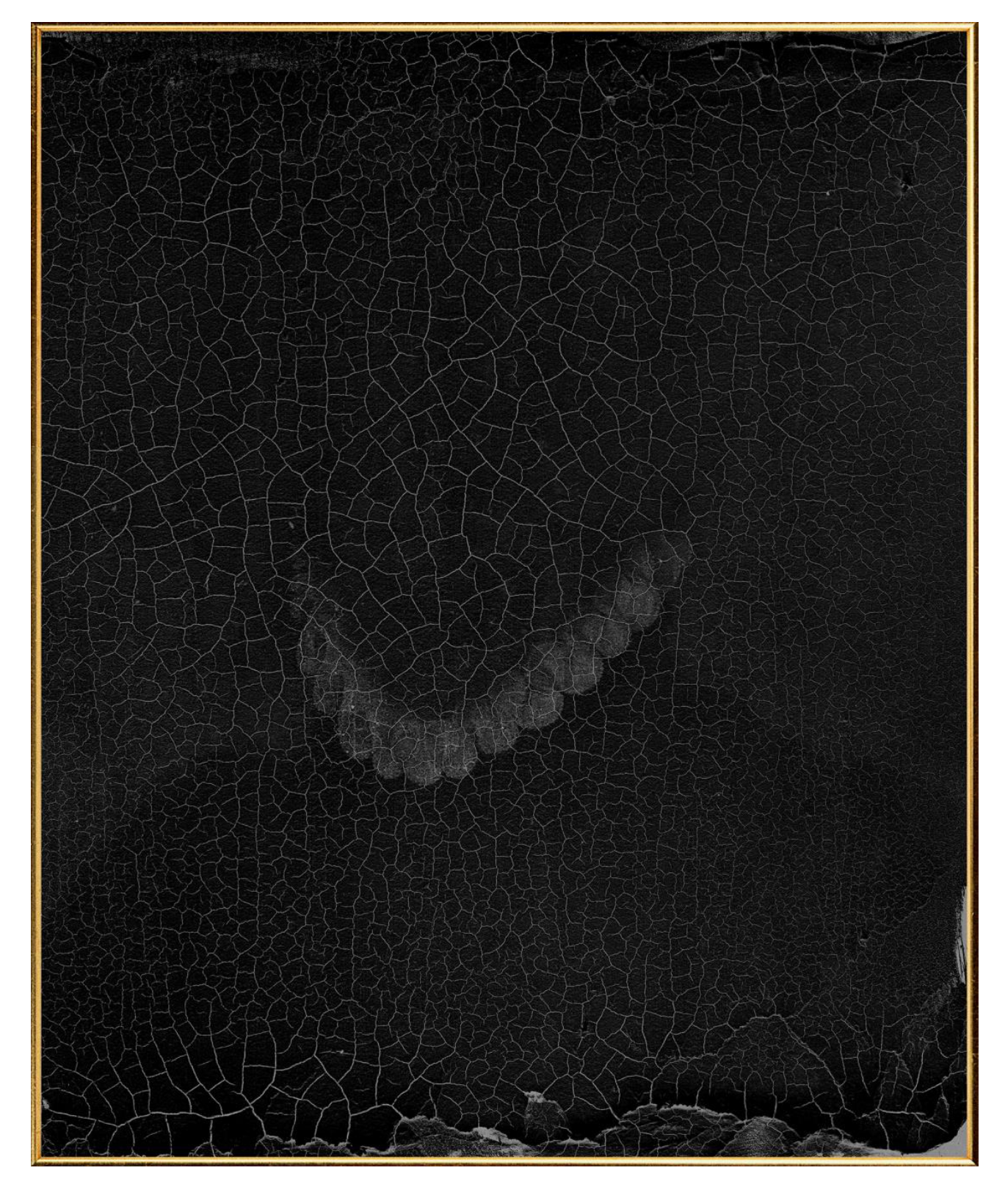
Atmospheric Particulate Matter, 2017 - Stampa a pigmenti d'archivio su carta di cotone Hahnemuhle,

la cornice in foglia d'oro, 152,7 x 127,5 cm - ed. 5
Atmospheric Particulate Matter, 2017 - Archival pigment print on Hahnemuhle cotton paper, gold leaf frame, 152.7 x 127.5 cm - ed. 5


L’estetica del frammento e la "Oltre-fotografia"

L’originalità di Teotino risiede nel modo in cui isola il particolare "guasto" della tela antica e lo eleva a protagonista della composizione. In 1816, il difetto della pittura diventa l'elemento strutturale del nuovo apparato visivo. L'errore del tempo — la scrostatura, la muffa, la crepa — viene reinterpretato come un "glitch" filosofico, un malfunzionamento del sistema che rivela la fragilità della nostra memoria storica e della nostra percezione. I volti dei nobili e dei borghesi del XIX secolo subiscono nelle mani di Teotino una mutazione metafisica. L'artista trasforma il ritratto celebrativo in un'icona del perturbante. Si entra così nel territorio della "Oltre-fotografia": un linguaggio dove lo scatto è sostituito dall'analisi e la realtà dalla simulazione. Come i mostri della Shelley nacquero dall'isolamento forzato del 1816, così i soggetti di Teotino nascono dall'oscurità digitale e dal vuoto della materia. Essi sono esseri di confine, spettri che abitano la soglia tra il passato pittorico e la visione tecnologica contemporanea.


The aesthetics of the fragment and "Beyond-photography"

Teotino's originality lies in how he isolates the specific "failure" of the ancient canvas and elevates it to the protagonist of the composition. In 1816, the flaw of the painting becomes the structural element of the new visual apparatus. The error of time—the peeling, the mold, the crack—is reinterpreted as a philosophical "glitch," a system malfunction that reveals the fragility of our historical memory and perception. The faces of 19th-century nobles and bourgeoisie undergo a metaphysical mutation in Teotino’s hands. The artist transforms the celebratory portrait into an icon of the uncanny. We thus enter the territory of "Beyond-photography": a language where the shot is replaced by analysis and reality by simulation. Just as Shelley’s monsters were born from the forced isolation of 1816, Teotino’s subjects are born from digital darkness and the void of matter. They are threshold beings, ghosts inhabiting the limit between the pictorial past and contemporary technological vision.


A Flower with Advection Frost, 2017 - Stampa a pigmenti d'archivio su carta di cotone Hahnemuhle, la cornice in foglia d'oro, 80 x 66,5 cm - ed. 5
A Flower with Advection Frost, 2017 - Archival pigment print on Hahnemuhle cotton paper, gold leaf frame,

80 x 66.5 cm - ed. 5


La suggestione di Turner e la cenere digitale

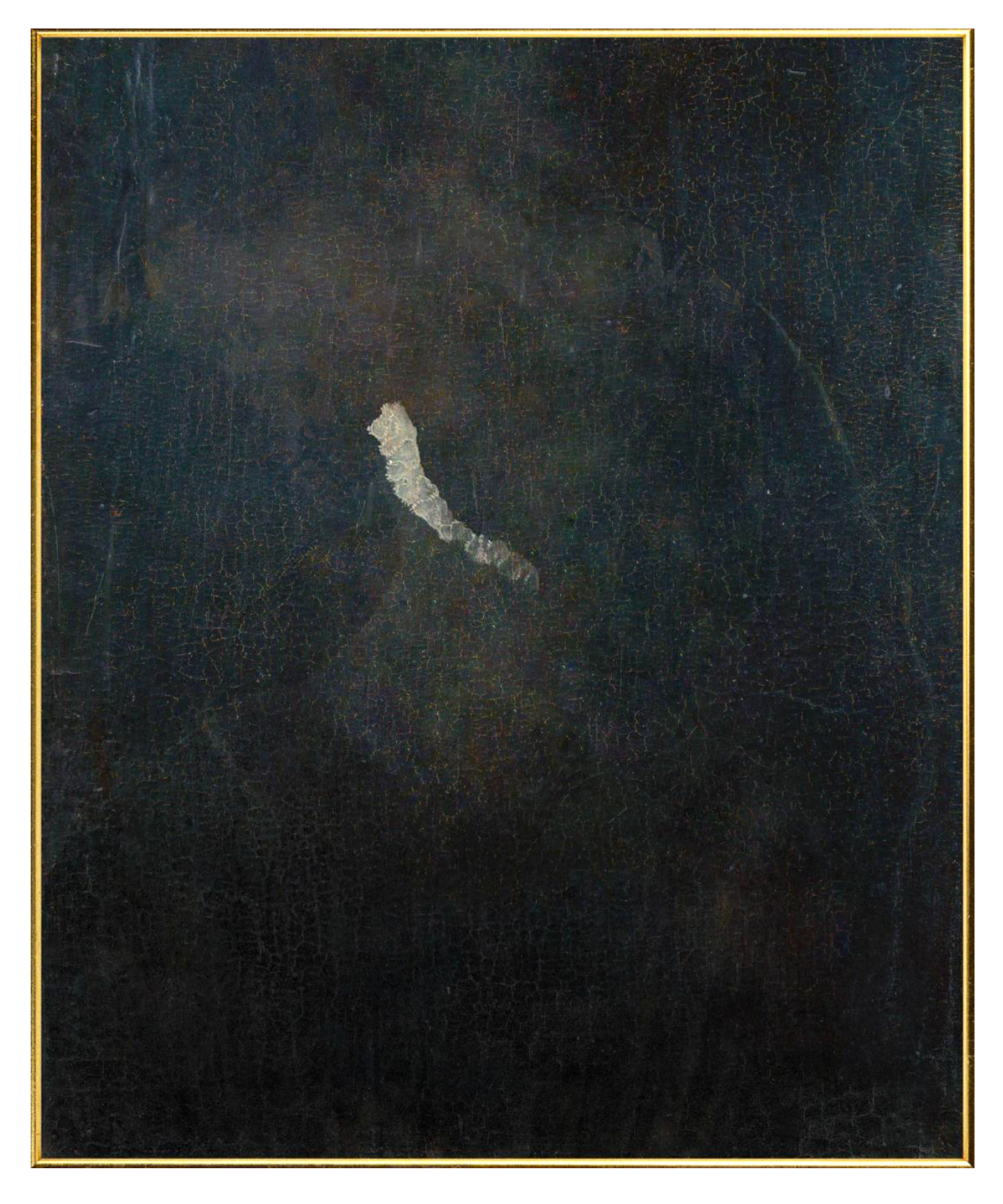
Mentre Turner traduceva l'alta concentrazione di cenere nell'atmosfera in esplosioni di luce e colore, Teotino traduce quella stessa "cenere" in una densità di stampa pigmentata che sfida la percezione. La sua tecnica permette di raggiungere neri di una profondità assoluta e tonalità che sembrano conservare la polvere degli archivi dimenticati. In questo senso, Teotino opera una sparizione dell'oggetto originale per restituirne l'essenza pura. Nell'era della riproducibilità tecnica estrema, l'artista ci riporta all'aura del soggetto attraverso la sua negazione. Le opere di questa serie sono riflessioni sulla sopravvivenza dell'immagine oltre la morte del supporto fisico, dove il "buio" introdotto dall'artista permette alla nostra immaginazione di generare nuovi mondi e nuovi fantasmi, proprio come accadde in quella terribile estate di due secoli fa.


Turner’s suggestion and digital ash

While Turner translated the high concentration of ash in the atmosphere into explosions of light and color, Teotino translates that same "ash" into a pigmented print density that challenges perception. His technique allows for blacks of absolute depth and tones that seem to preserve the dust of forgotten archives. In this sense, Teotino operates a disappearance of the original object to return its pure essence. In the age of extreme technical reproducibility, the artist brings us back to the subject's aura through its negation. The works in this series are reflections on the survival of the image beyond the death of the physical support, where the "darkness" introduced by the artist allows our imagination to generate new worlds and new ghosts, just as happened in that terrible summer two centuries ago.


MDCCCXVI, 2017 - Stampa a pigmenti d'archivio su carta di cotone Hahnemuhle, la cornice in foglia d'oro,

80 x 66,5 cm - ed. 5
MDCCCXVI, 2017 - Archival pigment print on Hahnemuhle cotton paper, gold leaf frame,

80 x 66.5 cm - ed. 5


Lamberto Teotino

Lamberto Teotino (Napoli, 1970) vive e lavora a Roma. La sua ricerca si concentra sull'indagine del sistema visivo e sulla decostruzione dell'immagine d'archivio, esplorando il confine sottile tra realtà e percezione attraverso l'uso di tecnologie digitali applicate alla fotografia e alla pittura. Il suo percorso espositivo è caratterizzato da importanti tappe istituzionali, tra cui la Galleria Nazionale d'Arte Moderna e Contemporanea (GNAM), il MAXXI, il MACRO, il Musée de l'Élysée di Losanna e Fotografiska a Stoccolma. Le sue opere sono state presentate in prestigiosi contesti internazionali, tra cui il Festival Rencontres d'Arles e Paris Photo.


Lamberto Teotino (Naples, 1970) lives and works in Rome. His research focuses on the investigation of the visual system and the deconstruction of archival images, exploring the thin line between reality and perception through the use of digital technologies applied to photography and painting. His exhibition history features significant institutional milestones, including the Galleria Nazionale d'Arte Moderna e Contemporanea (GNAM)MAXXIMACRO, the Musée de l'Élysée in Lausanne, and Fotografiska in Stockholm. His works have been presented in prestigious international contexts, including the Rencontres d'Arles Festival and Paris Photo.


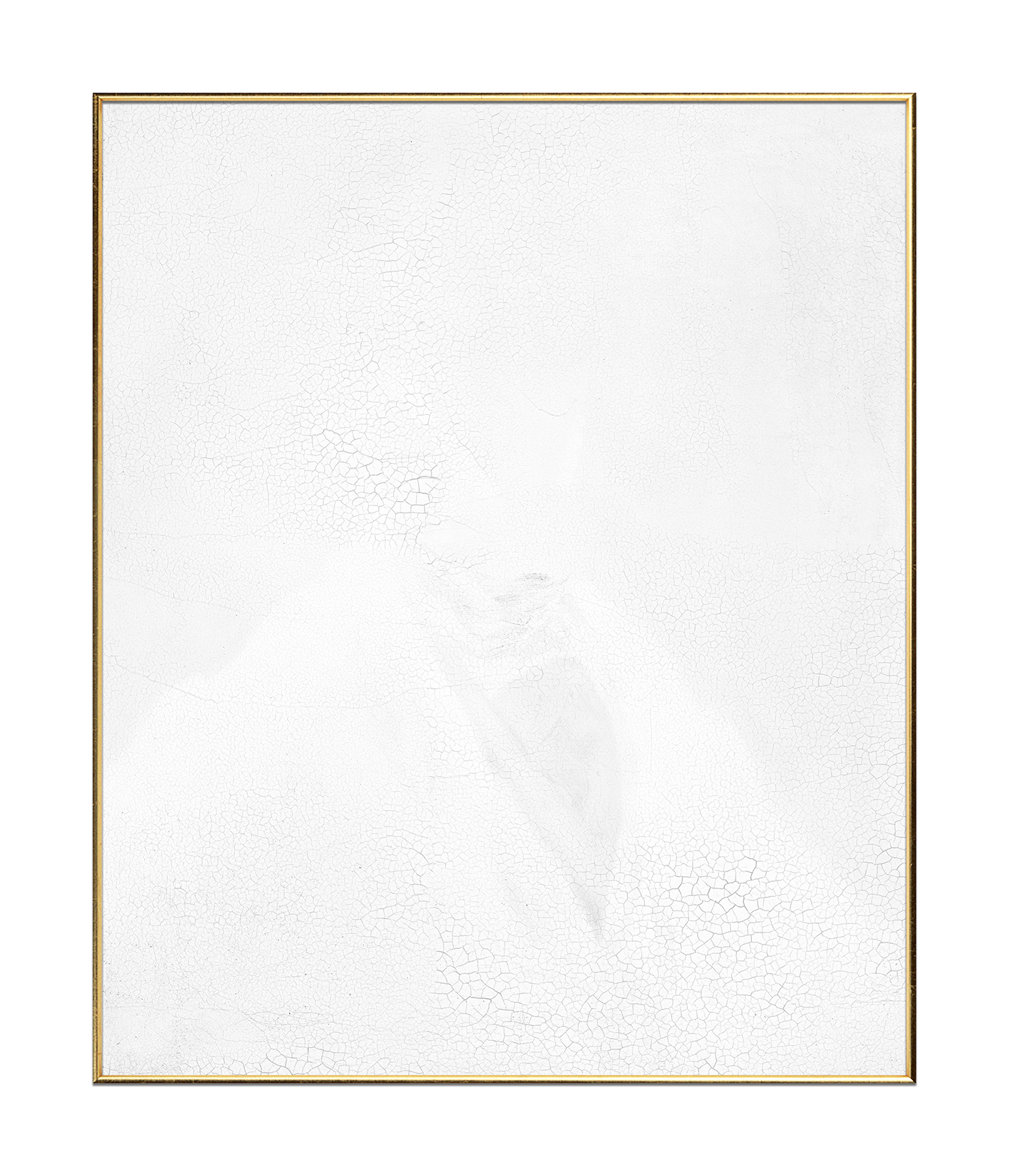
Untitled, 2017 - Stampa a pigmenti d'archivio su carta di cotone Hahnemuhle, la cornice in foglia d'oro,

152,5 x 127,5 cm - ed. 5
Untitled, 2017 - Archival pigment print on Hahnemuhle cotton paper, gold leaf frame,

152,5 x 127,5 cm - ed. 5


MC2GALLERY


- CURRENT EXHIBITIONS -


THE PHAITHE PHAIR

22-24 Maggio  |  22-24 May 2026

PAUL CUPIDO SOLO SHOW