Saturday, May 21, 2022

Hi Comic Lovers!!! Catch "The Amazing Black-Man", curated by Jeffrey Kent May 21 – July 16, 2022

Installation view: Kumasi J. Barnett, The Amazing Black-Man at The Peale Center

Kumasi J. Barnett
The Amazing Black-Man, curated by Jeffrey Kent

May 21 – July 16, 2022

Opening: Saturday, May 21st 10am - 4pm

Lowell Ryan Projects is excited to announce Kumasi J. Barnett's first major exhibition in his hometown of Baltimore, MD, a survey exhibition of 245 works created between 2015 and 2022. The exhibition opens tomorrow, Saturday May 21st at The Peale Center in Baltimore, MD and is curated by The Peale Center’s Chief Curator, Jeffrey Kent.
 
For more information about the exhibition please click: HERE
 
225 Holliday St
Baltimore, MD 21202


Thursday and Friday: 3-7pm
Saturday and Sunday: 10am-4pm
Monday to Wednesday: Closed


***Visitors are required to present proof of full vaccination against COVID-19, and wear a properly fitting face mask at all times while at The Peale Center.

thepealecenter.org

For more information about the artist and available works please contact: info@lowellryanprojects.com
Installation view: Kumasi J. Barnett, The Amazing Black-Man at The Peale Center
Kumasi J. Barnett
The Amazing Black-Man, #552, 2019
Acrylic, marker, pen and oil marker on comic book
9 3/4h x 6 1/4w inches / 24.77h x 15.88w cm
Installation view: Kumasi J. Barnett, The Amazing Black-Man at The Peale Center
Kumasi J. Barnett
Fanatic Fear #270, 2021
Acrylic, marker, pen and oil marker on comic book
9 3/4h x 6 1/4w inches / 24.77h x 15.88w cm
Installation view: Kumasi J. Barnett, The Amazing Black-Man at The Peale Center
Kumasi J. Barnett
Black Women #13, 2021
Acrylic, marker, pen and oil marker on comic book
9 3/4h x 6 1/4w inches, 24.77h x 15.88w cm

Kumasi J. Barnett (b. 1974, Baltimore, MD) received his MFA from The Ohio State University, and lives and works in Baltimore, MD. Influenced by the aesthetics and narratives of comic books, his work subverts and imbues the often-timeless genre with historical context and a present day social consciousness. Barnett frequently paints directly over old copies of comic books, changing their narratives into reflections of real events and critiques of social and political issues, including police brutality, systemic racism, fake news, and our political system.

Barnett’s works have been exhibited both in the United States and abroad, including exhibitions at Lowell Ryan Projects, Los Angeles, CA; the Zeitz Museum of Contemporary Art Africa in Cape Town, South Africa; The Boca Raton Museum of Art, Boca Raton, FL; The Verge Center for the Arts, Sacramento, CA; BravinLee programs, New York, NY; and The Brooklyn Public Library, Brooklyn, NY. Barnett presented a solo booth with Lowell Ryan Projects at The Armory Show 2020, in the Focus section curated by Jamillah James. Barnett currently teaches at the School of the Art Institute of Chicago, and his work has been featured in Artforum, Ammo, Vibe, Hyperallergic, Huffington Post, Autre, Artnet News, and The Guardian, among others.

 
For more information about the artist and available works please contact: info@lowellryanprojects.com
 
Email
Website
Instagram
Facebook
Tumblr
Pinterest
images courtesy of the artist and The Peale Center
4619 West Washington Blvd.
Los Angeles, CA 90016

Wednesday - Saturday, 12pm - 6pm
(and by appointment)
amazingblackman#fineartmagazine#comicartfun

The United Nations Supports World Bee Day 20 May

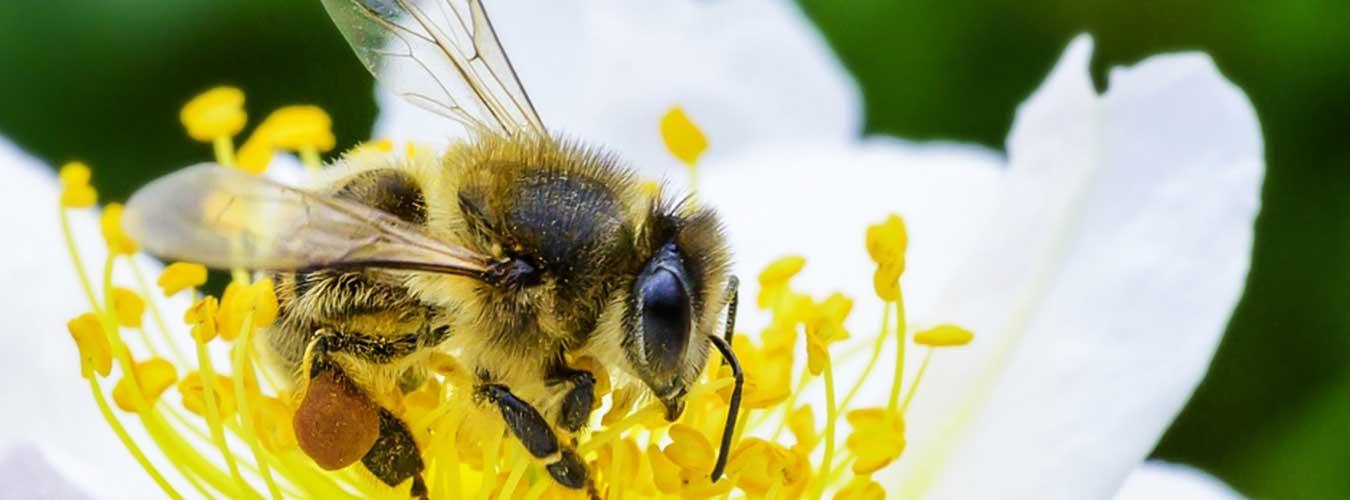
A bee drinks nectar of a flower
Three out of four crops across the globe producing fruits, or seeds for use as human food depend, at least in part, on bees and other pollinators.
PHOTO:Photo FAO/Greg Beals

We all depend on the survival of bees

Bees and other pollinators, such as butterflies, bats and hummingbirds, are increasingly under threat from human activities.

Pollination is, however, a fundamental process for the survival of our ecosystems. Nearly 90% of the world’s wild flowering plant species depend, entirely, or at least in part, on animal pollination, along with more than 75% of the world’s food crops and 35% of global agricultural land. Not only do pollinators contribute directly to food security, but they are key to conserving biodiversity.

To raise awareness of the importance of pollinators, the threats they face and their contribution to sustainable development, the UN designated 20 May as World Bee Day.

The goal is to strengthen measures aimed at protecting bees and other pollinators, which would significantly contribute to solving problems related to the global food supply and eliminate hunger in developing countries.

We all depend on pollinators and it is, therefore, crucial to monitor their decline and halt the loss of biodiversity.

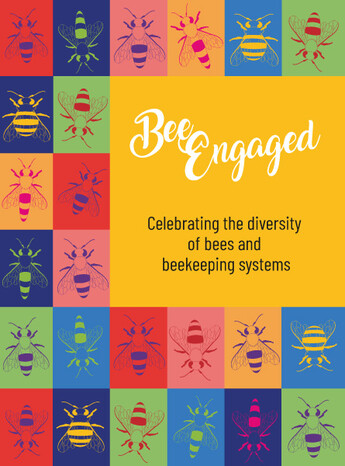
Bee engaged: Celebrating the diversity of bees and beekeeping  systems

World Bee Day 2022 poster20 May 2022, 13:00–14:45 CEST
Agenda Register | Webcast

Beekeeping is a widespread and global activity, with millions of beekeepers depending on bees for their livelihoods and well-being. Together with wild pollinators, bees play a major role in maintaining biodiversity, ensuring the survival and reproduction of many plants, supporting forest regeneration, promoting sustainability and adaptation to climate change, improving the quantity and quality of agricultural productions.

This year FAO will celebrate World Bee Day through a virtual event, under the theme ‘Bee Engaged: Celebrating the diversity of bees and beekeeping systems’

The event featuring bee and pollinator experts and practitioners from across the world will open with a video message by FAO Director-General QU Dongyu. The event will raise awareness on the importance of the wide variety of bees and sustainable beekeeping systems, the threats and challenges they face and their contribution to livelihoods and food systems.

The event will be available in English, French, Spanish, Arabic, Chinese and Russian languages.


Do you know all the different pollinators?
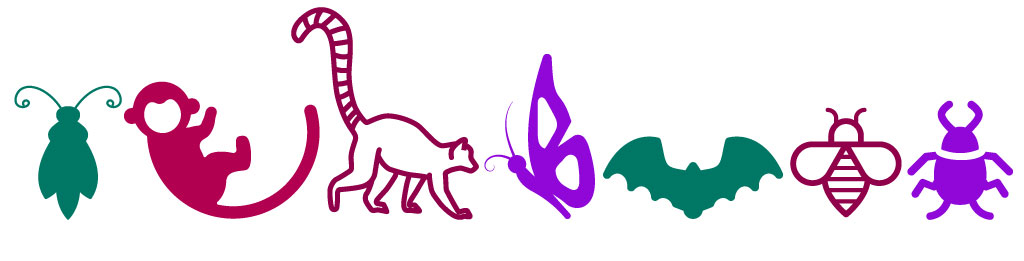
infograph of different pollinators

We need to act now

Bees are under threat. Present species extinction rates are 100 to 1,000 times higher than normal due to human impacts. Close to 35 percent of invertebrate pollinators, particularly bees and butterflies, and about 17 percent of vertebrate pollinators, such as bats, face extinction globally.

If this trend continues, nutritious crops, such as fruits, nuts and many vegetable crops will be substituted increasingly by staple crops like rice, corn and potatoes, eventually resulting in an imbalanced diet.

Intensive farming practices, land-use change, mono-cropping, pesticides and higher temperatures associated with climate change all pose problems for bee populations and, by extension, the quality of food we grow.

Recognizing the dimensions of the pollination crisis and its links to biodiversity and human livelihoods, the Convention on Biological Diversity has made the conservation and sustainable use of pollinators a priority. In 2000, the International Pollinator Initiative (IPI) was established (COP decision V/5, section II) at the Fifth Conference of Parties (COP V) as a cross-cutting initiative to promote the sustainable use of pollinators in agriculture and related ecosystems. Its main goals are monitoring pollinators decline, addressing the lack of taxonomic information on pollinators, assessing the economic value of pollination and the economic impact of the decline of pollination services and protect pollinator diversity.

Along with coordinating the International Pollinator Initiative (IPI), the FAO also provides technical assistance to countries on issues ranging from queen breeding to artificial insemination to sustainable solutions for honey production and export marketing.

Discover other initiatives, national and international, dedicated to the protection of pollinators.

>> Facilitated by FAO

How can we do more?

Individually by: 

  • planting a diverse set of native plants, which flower at different times of the year;
  • buying raw honey from local farmers;
  • buying products from sustainable agricultural practices;
  • avoiding pesticides, fungicides or herbicides in our gardens;
  • protecting wild bee colonies when possible;
  • sponsoring a hive;
  • making a bee water fountain by leaving a water bowl outside;
  • helping sustaining forest ecosystems;
  • raising awareness around us by sharing this information within our communities and networks; The decline of bees affects us all!

As beekeepers, or farmers by:

  • reducing, or changing the usage of pesticides;
  • diversifying crops as much as possible, and/or planting attractive crops around the field;
  • creating hedgerows.

As governments and decision-makers by:

  • strengthening the participation of local communities in decision-making, in particular that of indigenous people, who know and respect ecosystems and biodiversity;
  • enforcing strategic measures, including monetary incentives to help change;
  • increasing collaboration between national and international organizations, organizations and academic and research networks to monitor and evaluate pollination services.

More tips on how to help bees and other pollinators

#unworldbeeday#fineartmagazinebeefun#savethepolinators

Thursday, May 19, 2022

ACACIA MOYO IS ALIVE AND BUZZING! says Kenny Mann


NEWS
LETTER


ACACIA MOYO IS ALIVE AND BUZZING!


HERE'S THE STORY

We work with the Maasai community of Kitengela, near Nairobi, to create sustainable livelihoods. 

Traditionally, Maasai keep large herds of cattle, sheep and goats, which provide them with meat, milk, hides and income from sales. The Maasai have always lived in harmony with the abundant wildlife around them and in Kitengela, the community has formed its own wildlife conservancy to allow free passage of animals from the nearby Game Park to seasonal grazing areas. In order to maintain this conservancy, and to ensure that Maasai families do not become destitute through loss of land, we work to provide alternative sources of income. 

BUT 

Longstanding drought and the loss of land to developers have made keeping livestock an unreliable source of income. In addition the Maasai beading tradition, which was our main source of income for the past three years, is losing steam as materials become increasingly expensive and cheap Chinese copies can be found all over the Internet. 


SO

BEEKEEPING IS THE ANSWER!

LISTEN UP!


WE HAVE TWO ACRES OF COMMUNITY LAND IN KITENGELA

WE ARE CREATING A BEE FORAGE GARDEN WITH EXTREMELY HARDY DESERT ROSES AND OTHER SPECIES THAT FLOWER YEAR-ROUND TO ENSURE 3 OR 4 HONEY HARVESTS PER ANNUM

CLICK ON THE IMAGE BELOW TO HEAR COMMUNITY LEADER 
NICKSON PARMISA 
TALK ABOUT THE BENEFITS OF BEEKEEPING TO 
HIS COMMUNITY
Recent rain in Kitengela makes our land green and lush. The stones mark the location of the future borehole. Our bee garden and apiary will be located at the far end, near the bushes.
WE HAVE ALL THE NECESSARY PERMITS AND HYDROGEOLOGICAL STUDIES FOR A BOREHOLE AND IRRIGATION SYSTEM FOR THE BEE GARDEN.

WE HAVE A FANTASTIC TEAM OF EXPERTS IN KENYA WHO KNOW ABOUT BEEKEEPING AND REGENERATIVE AGRICULTURE AND WHO ARE KEEN TO SEE THIS PROJECT FLOURISH


A LOCAL HONEY BUSINESS IS LOANING US 50 HIVES TO START WITH. WE'LL PAY THEM BACK WITH RAW HONEY UNTIL THE DEBT IS PAID OFF, THEN WE'LL START BLENDING OUR OWN MAA HONEY

WHY BEEKEEPING?WH
Bees pollinate plants and maintain biodiversity
Bees ensure that crop plants are pollinated
Bees are endangered
Beekeeping is relatively inexpensive once initial costs are met
Beekeeping is not difficult to learn, even for people who cannot read or write
There is a vast market for honey in Kenya, but not enough supply
With 3 - 4 harvests a year, one single beehive can bring in about $640 per annum. Imagine what we can do with 50 - or more!
Beekeeping is an excellent community-oriented project
There are more than 10 commercial biproducts from beekeeping - such as pollen, propolis, royal jelly and bee venom - that we will develop at a later stage, along with several beeswax-related products.

WHAT WILL WE DO WITH THE PROFITS FROM SALES OF HONEY?

support girls' education
support the women's microfinancing group
support best students to attend best schools
introduce rainwater harvesting
introduce regenerative agriculture

KEEP THE MAA HONEY PROJECT GOING AS A
SUSTAINABLE COMMUNITY SOCIAL ENTERPRISE

WE NEED TO RAISE $45,000 TO COVER COSTS FOR PHASE ONE

TRAINING
BOREHOLE INSTALLATION
IRRIGATION INSTALLATION
BEE GARDEN INSTALLATION
FENCING
SALARIES
CONSULTANCY FEES
HIVES INSTALLATION
EQUIPMENT
TRANSPORTATION

HOW TO DONATE

For a donation of $500 or more you get one of these ABSOLUTELY FABULOUS handmade Maasai baskets. They are made of woven palm leaf, lined with dark brown cotton and decorated with African fabrics and beaded designs. They are 15" tall and 15" wide. Extremely sturdy - great for shopping, storing newspapers and magazines, bath towels, toilet paper - and any other creative use you can think of. Each one is unique. No copies. No orders. You donate $500 or more, a basket will be shipped to you. Limited supply.


SUPPORT THIS AFRICAN-OWNED BUSINESS!


You can send money directly to Acacia Moyo LLC bank account by Zelle to ikimann@earthlink.net. You will receive a receipt within three business days.
:
JPMorgan Chase, Account # 305803105, routing # 021000021

If you need a tax-deductible receipt, please donate via our fiscal sponsor here:


You can send a check to: Acacia Moyo LLC, 19 Espira Court, Santa Fe, NM 87508.


WHY SHOULD WE CARE?

HERE'S WHY

Some 370 million indigenous peoples manage 80% of the Earth's BIODIVERSITY. Yet they lack the resources to combat extractive industries like mining and logging, or rampant urban development. As a result, most of the world's extinct or disappearing species inhabit indigenous lands. As the privileged peoples of this planet, we SHARE not only a global responsibility towards Indigenous people, but we also face the same issues: catastrophic climate change; loss of habitat; loss of a stable environment; contamination of food resources; human/wildlife conflict - and more. 


Beader Phoebe Lasoi attended the International Folk Art Market in Santa Fe, NM, in 2019.

 It is this relationship with the natural world that must be seen as “sustainable development” and is therefore worthy of preservation. We can no longer view their efforts as distant and unrelated to “our” world but must instead recognize their knowledge as intrinsic to our own survival and start to build new knowledge alongside them that can sustain life for all.
Fiscal sponsorship provided by CREATIVE VISIONS, Malibu, CA
#acacac
#