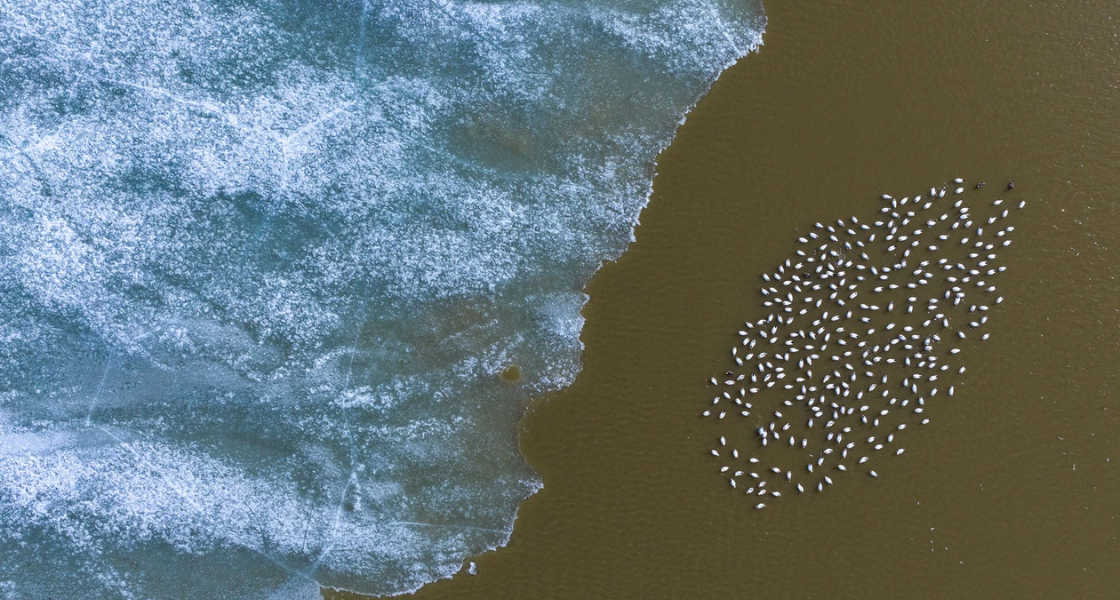
 | Snow Geese use Teshekpuk and nearby lakes to molt after breeding. Photo: Gerrit Vyn | | Alaska’s Arctic is a place of extraordinary wildlife, vital habitats, and deep cultural connections—but it’s facing growing pressures from oil and gas development and a warming climate. This month, we’re exploring what’s at stake in the Western Arctic, from the importance of protecting Teshekpuk Lake to the changing challenges facing polar bears and seabirds. Read on to discover why this remarkable landscape matters and how you can help protect its future. |
|
Protecting the Future of Alaska’s Western Arctic | Alaska’s Western Arctic is a vital habitat for millions of migratory birds, caribou, polar bears, and other wildlife—and home to Iñupiaq communities whose cultures and subsistence traditions are deeply connected to the land. But proposed changes to federal regulations threaten protections for this ecologically and culturally irreplaceable landscape. This piece breaks down what’s at stake in the 23-million-acre National Petroleum Reserve–Alaska and why its Special Areas, including Teshekpuk Lake, matter.
You can also take action now! Encourage the Bureau of Land Management to protect the Western Arctic’s wildlife, habitats, and communities by submitting a public comment today. Read more here! |
| |
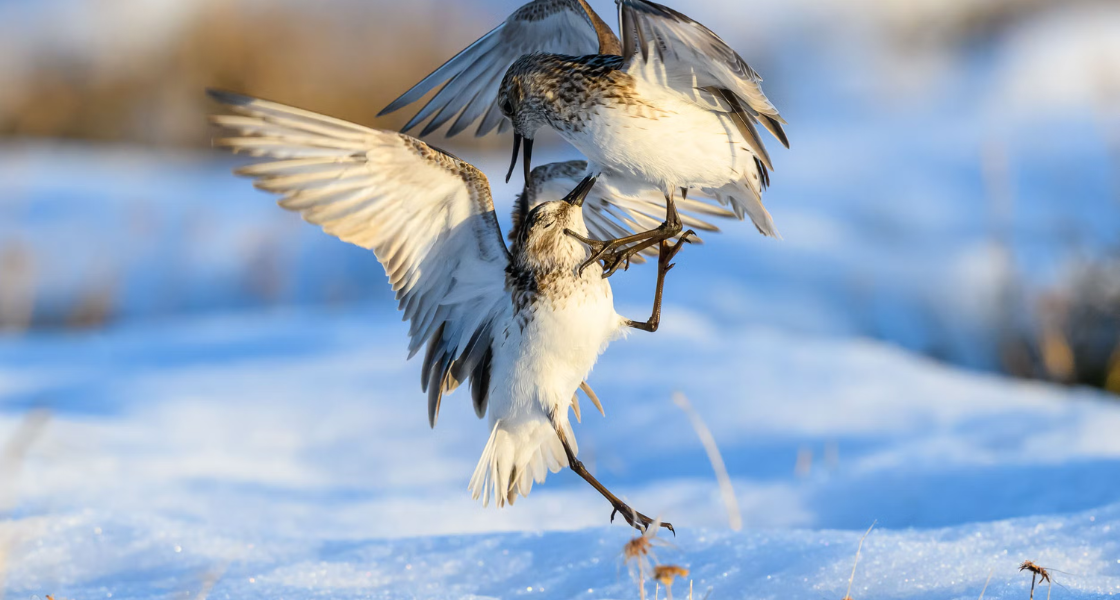 | Semipalmated Sandpipers spar for nesting grounds after migrating from South America.Photo: Gerrit Vyn | Teshekpuk Lake: A Vital Arctic Haven | What makes Alaska’s Western Arctic worth protecting? This powerful photo essay (featuring imagery from conservation photographer Gerrit Vyn) brings readers to Teshekpuk Lake, one of the world’s most important bird-breeding grounds. Each spring, some 600,000 shorebirds return to its wetlands, which also sustain geese, caribou, polar bears, and Iñupiaq communities.
As oil and gas development threatens this irreplaceable landscape, Audubon CEO Elizabeth Gray reflects on her own journey to Teshekpuk Lake and the connections birds forge across the hemisphere. Together, these stories remind us why protecting Arctic habitat matters far beyond Alaska—and why we must act now. Read more here! |
| |
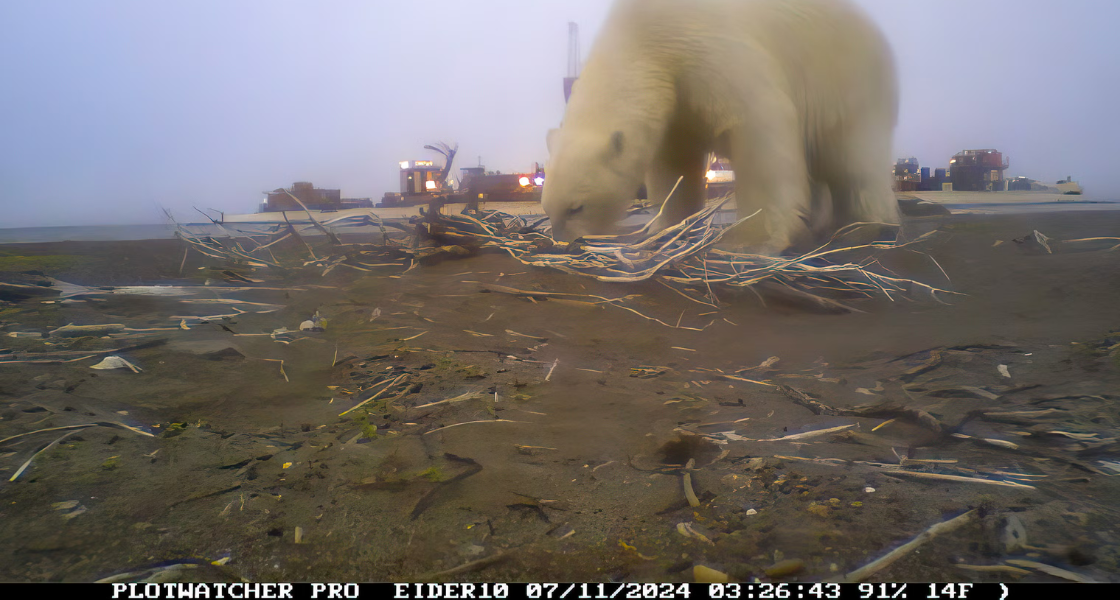 | Remote camera timelapse image documenting a polar bear consuming Pacific Common Eider eggs at a nesting colony on Spy Island, Alaska. Photo: Courtesy of WCS | P.S. A Changing Arctic Food Web | | More Arctic content? You got it. As Arctic sea ice disappears, hungry polar bears are increasingly turning to seabird eggs and chicks for food, sometimes wiping out entire nesting colonies. Learn how climate change is reshaping predator-prey dynamics in Alaska’s Arctic. Read here! |
| |
Take action today by submitting a comment in support of protecting the Western Arctic's Special Areas, including Teshekpuk Lake. The deadline to comment is November 9. | | Take action! |
|
|
|
#audubonalaska,#ineartmagazineblog.blogspot.com #sunstormfineartmagazine.com#artfunenviornmenal#artfunalaska#artfunnow#artfunlandscapes#artfunanimals



No comments:
Post a Comment
Note: Only a member of this blog may post a comment.